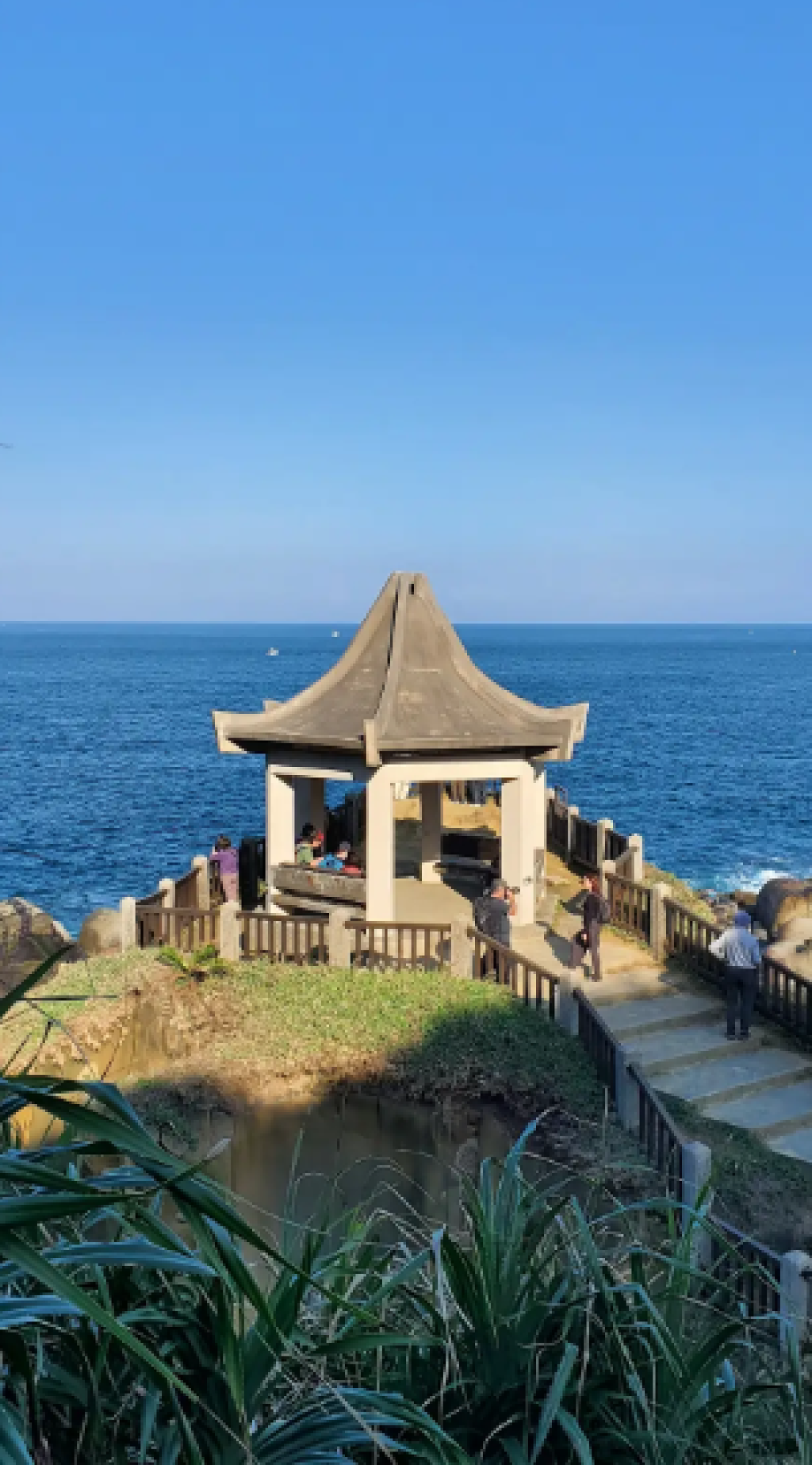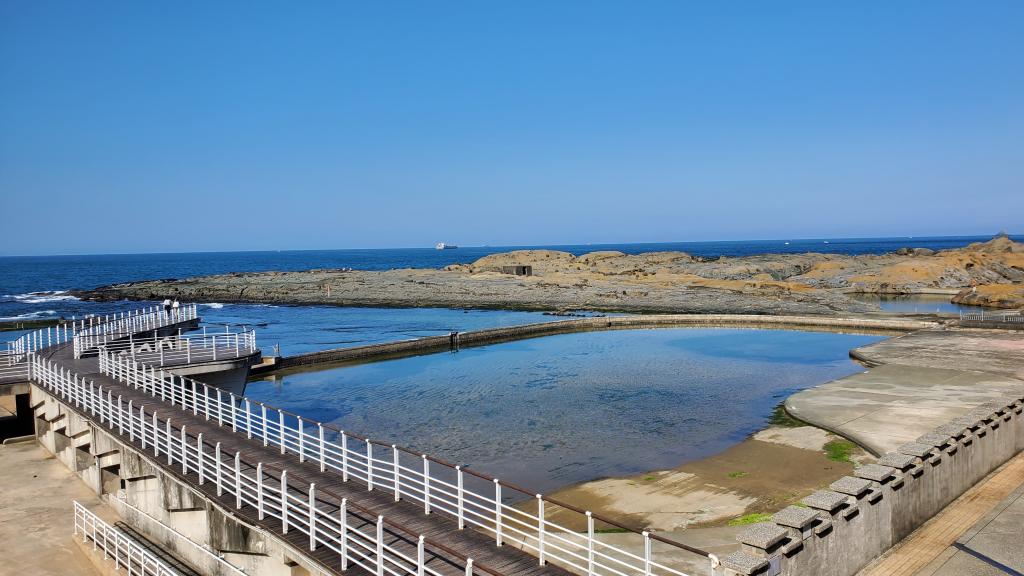
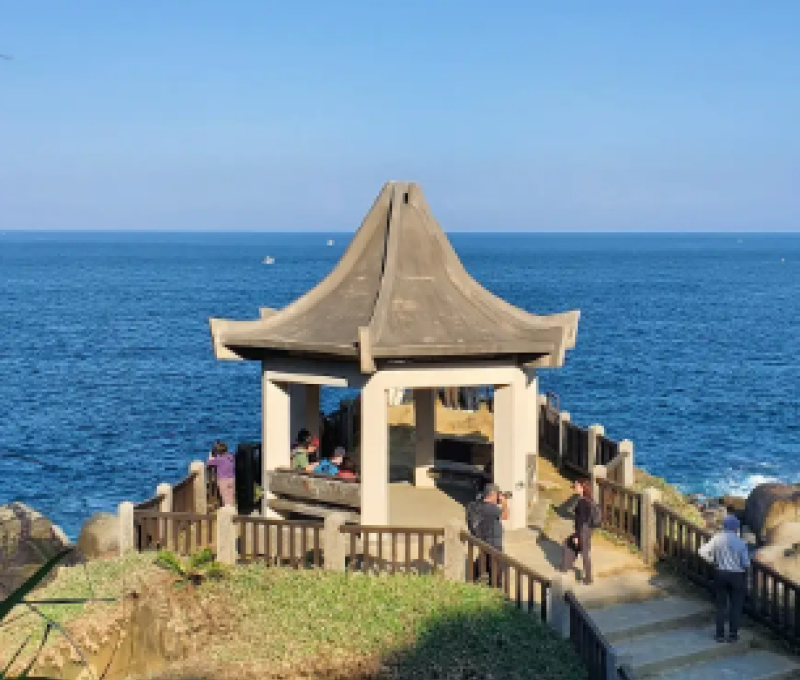
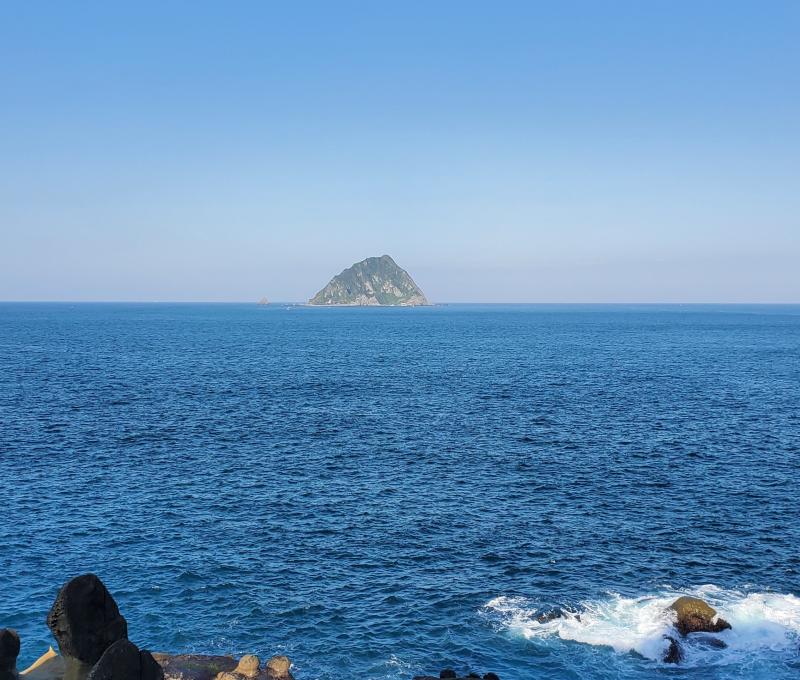
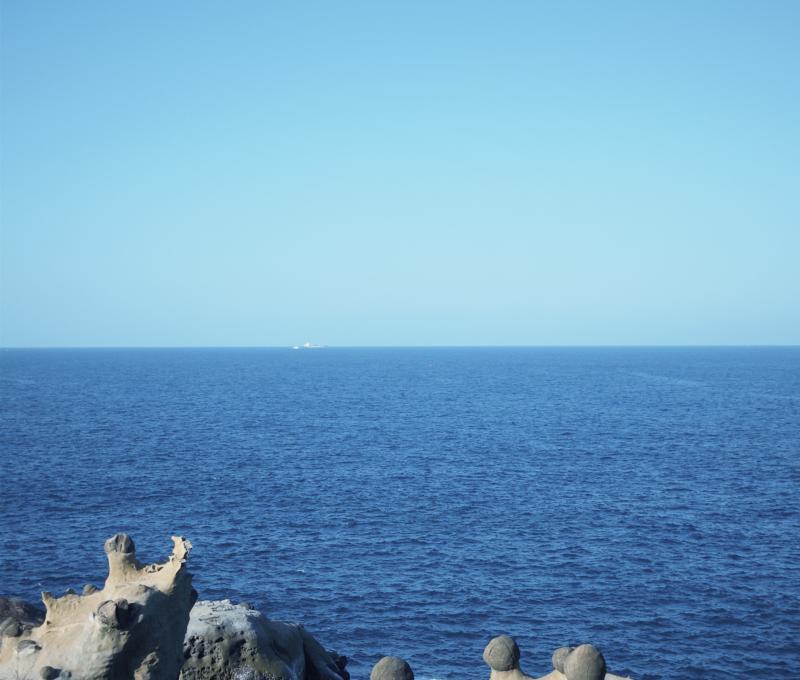
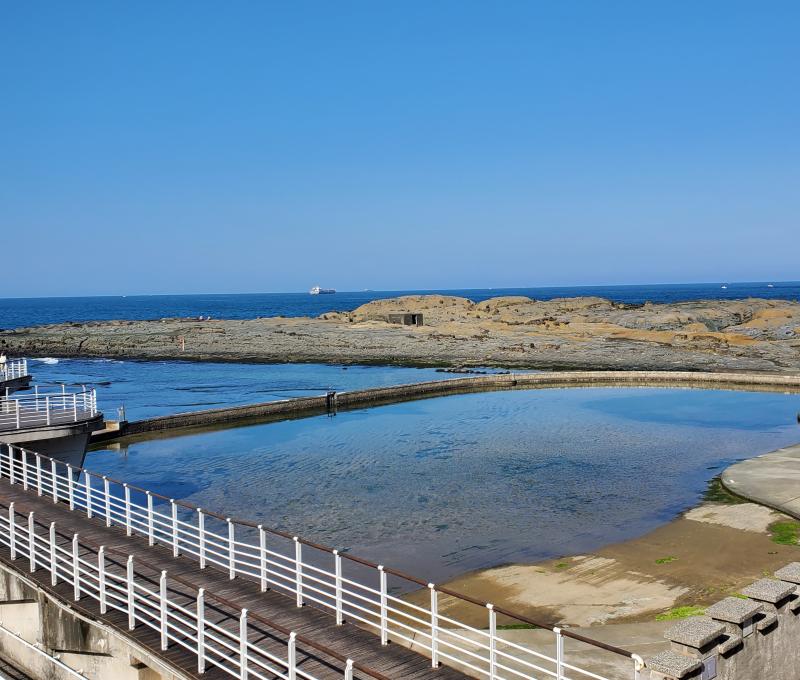
Heping Island is located off Taiwan’s northeastern coast and is connected to the city of Keelung by the Heping Bridge. Due to its proximity to Keelung Harbor, it became one of the earliest places in northern Taiwan to experience Western contact and Han Chinese settlement in the 17th century. Though small in size, the island combines dramatic coastal landscapes with a rich historical legacy, making it a key site for understanding Taiwan’s maritime culture.
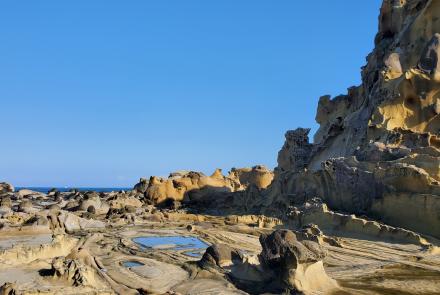
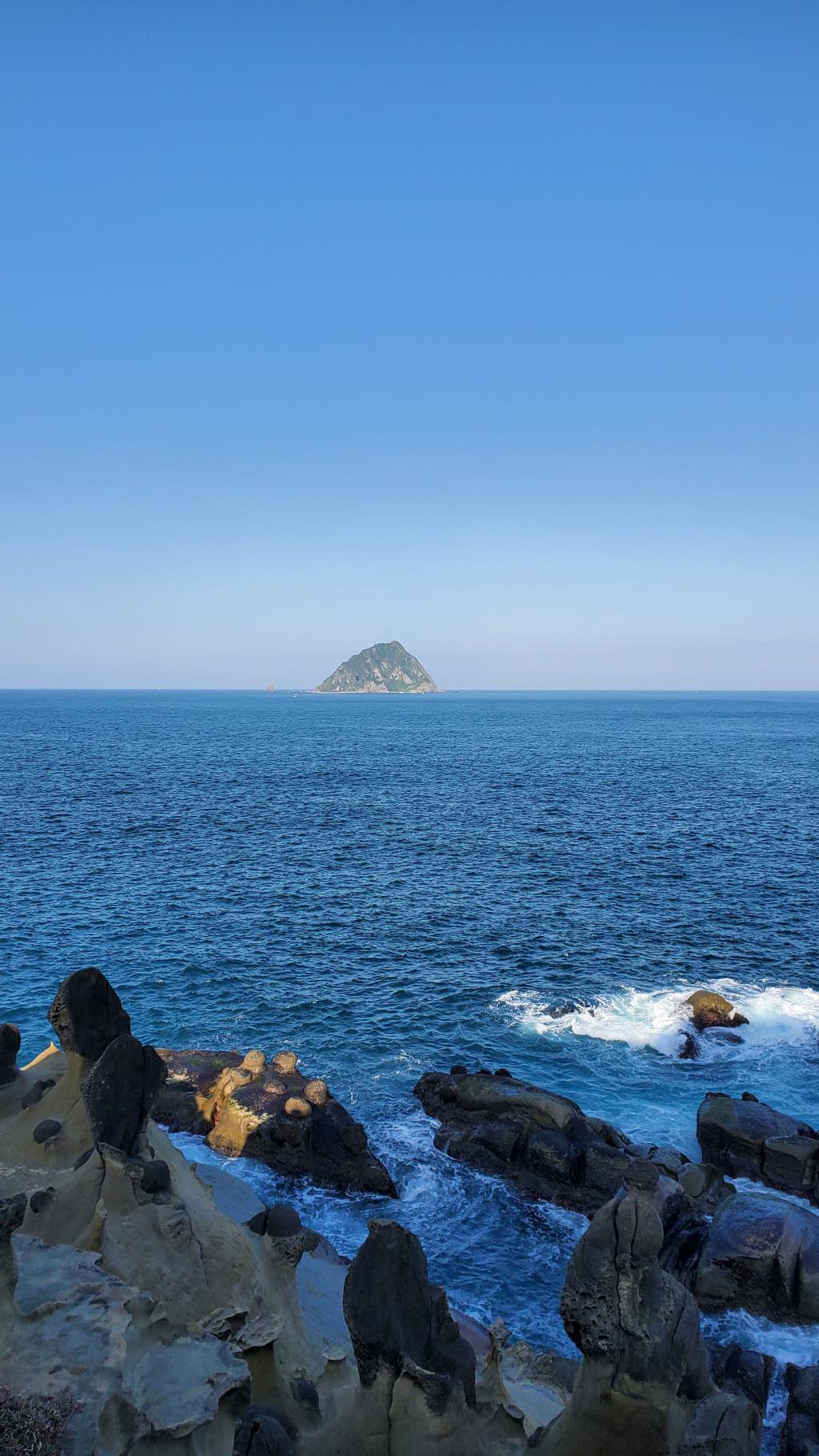
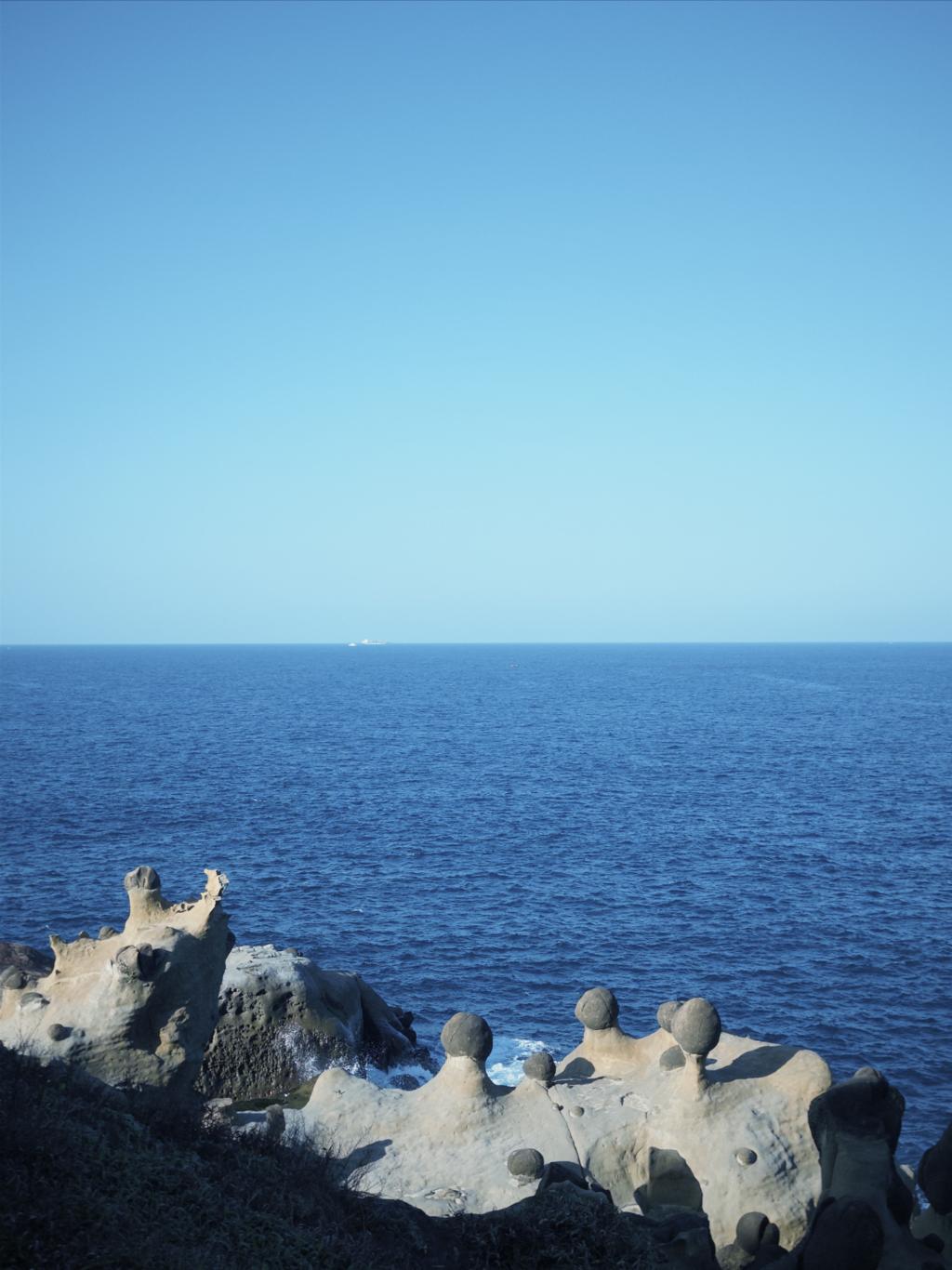
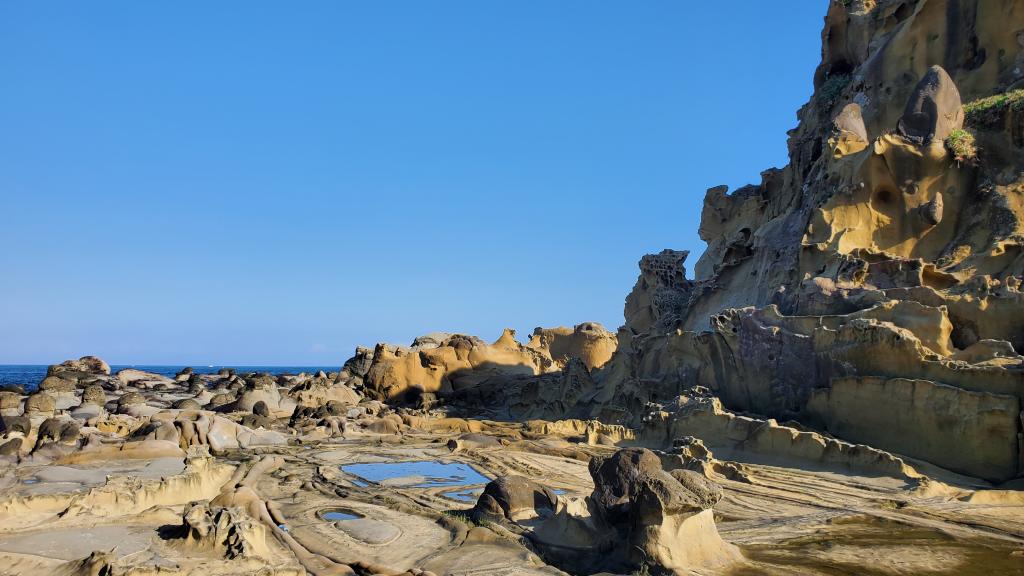
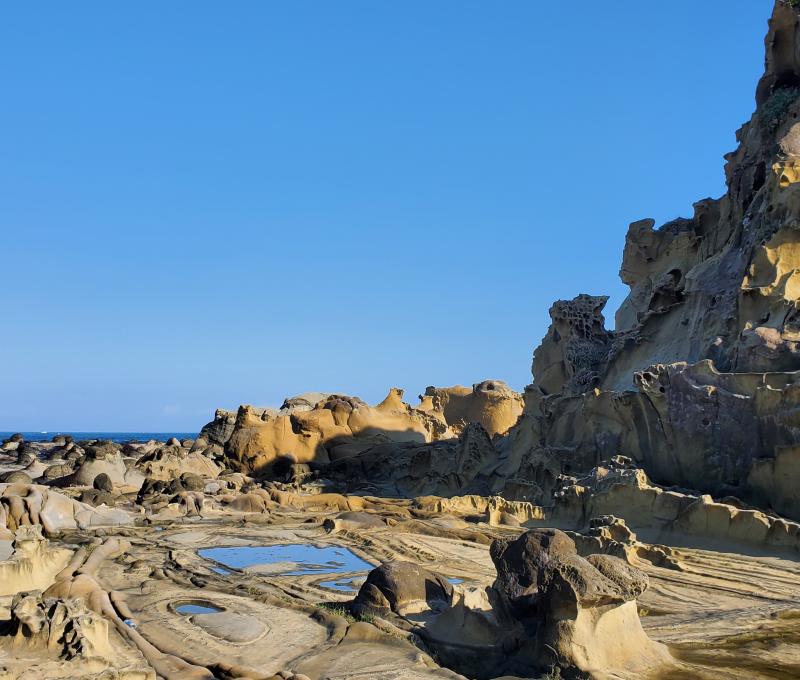
Shaped by long-term wave erosion and monsoons, Heping Island features distinctive sea-eroded rock formations such as Sea Rabbit Rock and Mushroom Rocks, along with a diverse marine ecosystem. Traditional coastal practices, including seaweed harvesting along the intertidal zone, remain part of local life.
Archaeological evidence shows that the island was inhabited in prehistoric times and closely linked to the indigenous Basay people. In 1626, the Spanish built Fort San Salvador here, turning the island into an important gateway for trade and exchange in northern Taiwan.
Today, through the Greater Keelung Historical Scene Reconstruction Project, Heping Island has been revitalized as a cultural destination that integrates historical preservation, environmental conservation, and sustainable tourism.