03抹茶山

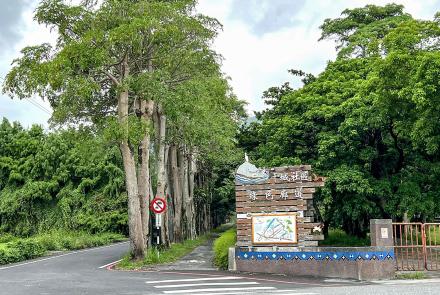
抹茶山:神蹟、古道與翠綠的蘭陽詩意 「層巒疊翠入眼來,雲深不知處…」清朝詩人筆下的蘭陽平原,多半描述其平坦與開闊。然而,在礁溪深處,有一片山脈以其獨特的翠綠,成就了今日的傳奇——抹茶山(聖母山莊步道)。 【景點故事與文化】 抹茶山的故事,不僅是關於美景,更是一段關於信仰與開拓的歷史。這座山古時是先民往來臺北與宜蘭的跑馬古道支線一隅,見證了蘭陽地區早期的貿易與生活足跡。 歷史文化與自然風光: 今日人們口中的「抹茶山」,其實是指聖母山莊步道終點處的壯闊山景。它的名氣源自一位日本攝影師的命名,因山稜線的草坡,在不同光影下呈現出如抹茶般的鮮綠色,層層疊疊,美不勝收。而其核心的聖母山莊,則源於天主教登山隊的故事,充滿了神蹟與人與自然共處的虔誠。登上山頂,不僅能將礁溪鄉乃至整個蘭陽平原的遼闊景致盡收眼底,感受清代詩人讚嘆的視野,更能在這片自然風光中,體會到一股來自山莊的靜謐力量。 【在地滋味:攻頂後的療癒犒賞】 由於抹茶山位於聖母山莊步道終點,這趟旅程需要充沛的體力。因此,其周邊的「特色美食」多以提供能量補充和療癒身心為主。遊客在山腳的五峰旗風景區或礁溪市區,可以找到許多與在地農產結合的輕食或甜點,例如將宜蘭金棗、溫泉番茄等融入的飲品或點心。這些在地食材不僅提供登山後所需的養分,也巧妙地將蘭陽的物產與這條熱門的登山路線連結起來,成為對辛苦攻頂的旅人最甜蜜的犒賞。 【交通建議】 欲前往抹茶山登山口(五峰旗風景區),建議從礁溪火車站或轉運站搭乘台灣好行礁溪線 A 線(綠 11A),在「五峰旗風景特定區」站下車,再徒步或搭接駁車前往登山口,是最為便捷的交通方式。

02林美石磐步道

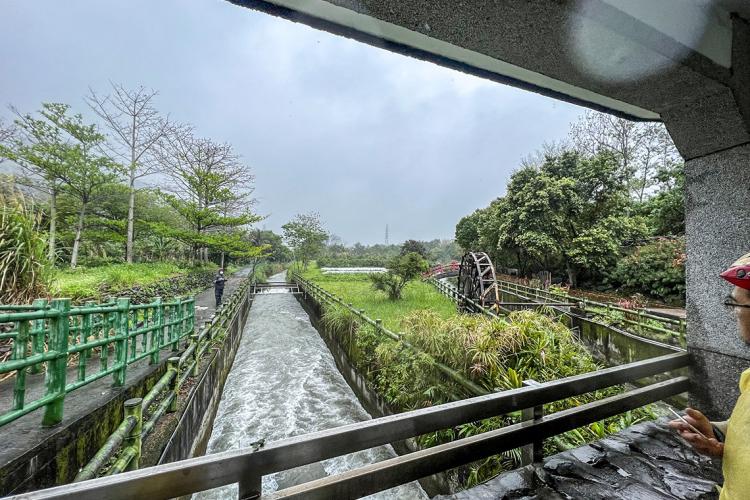
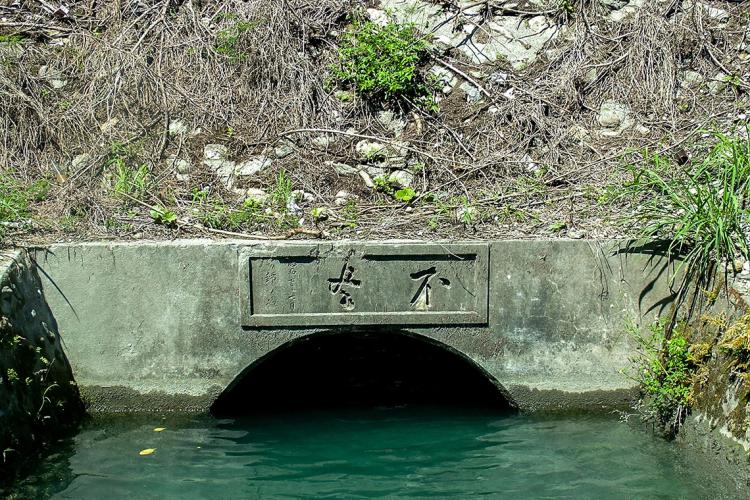
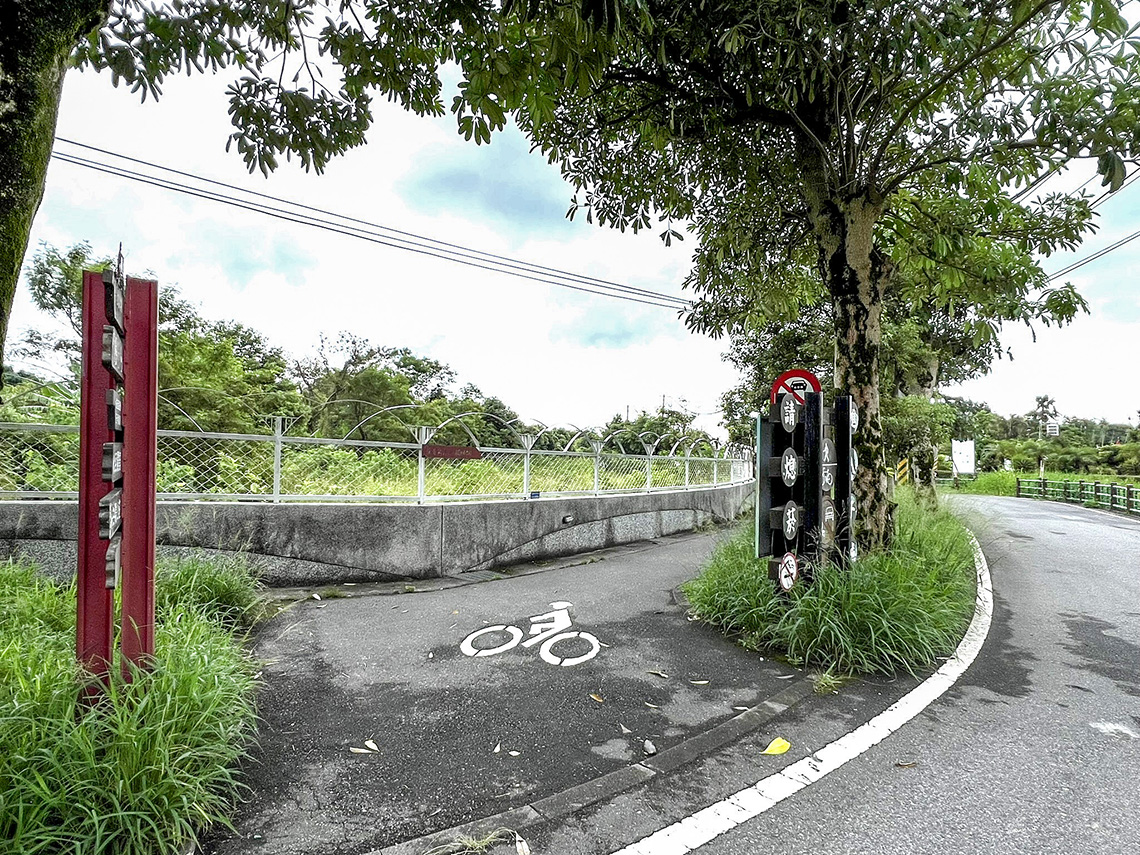
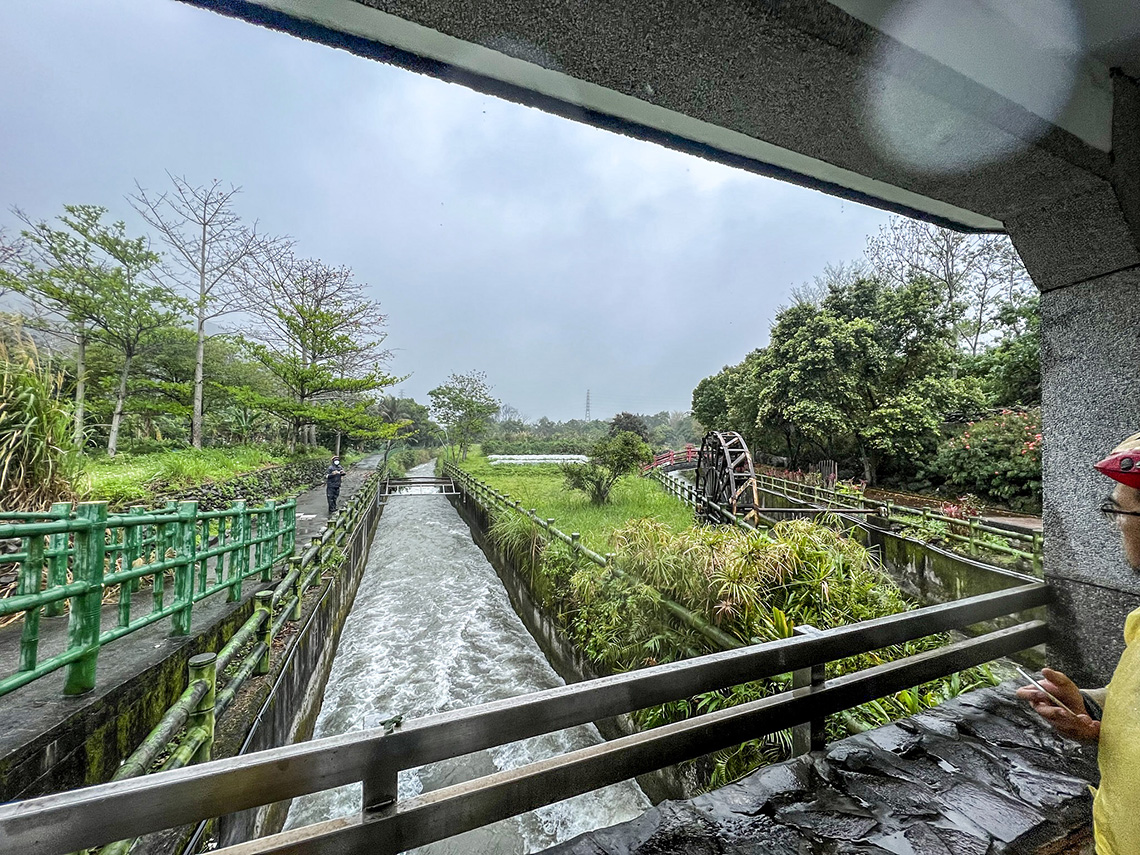
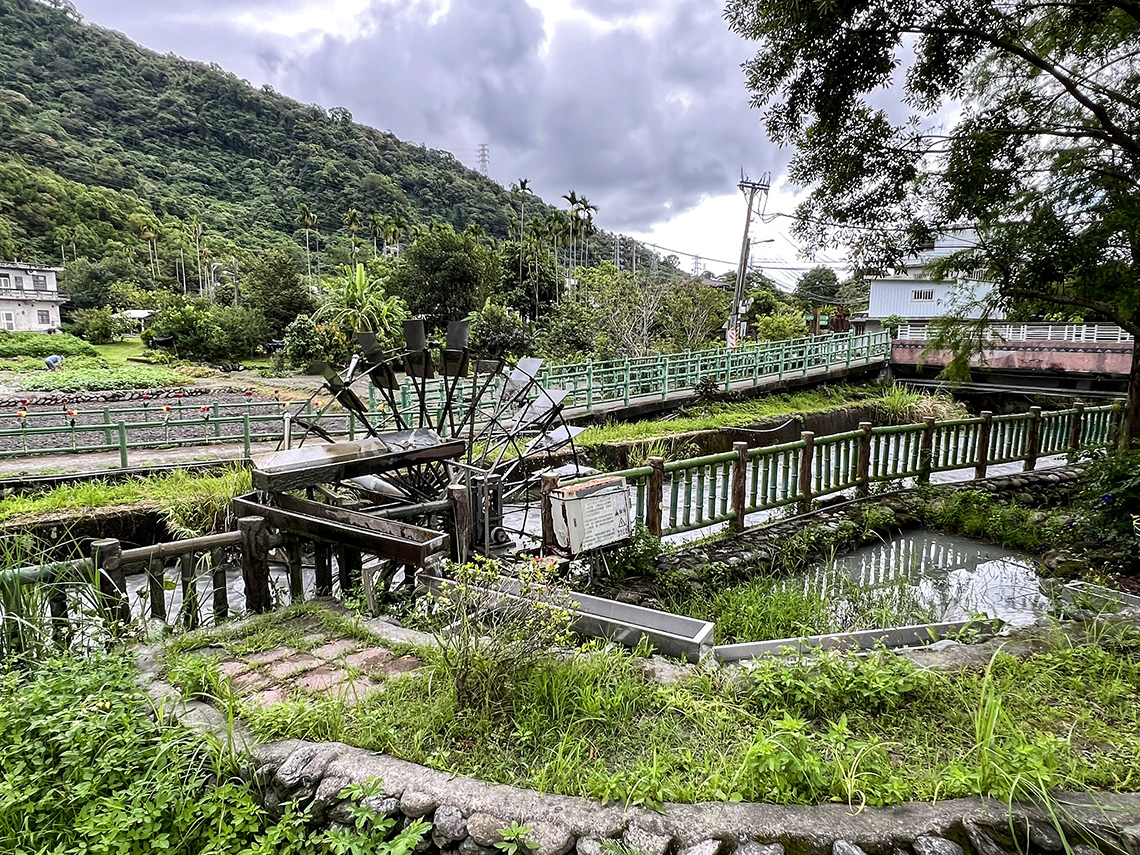
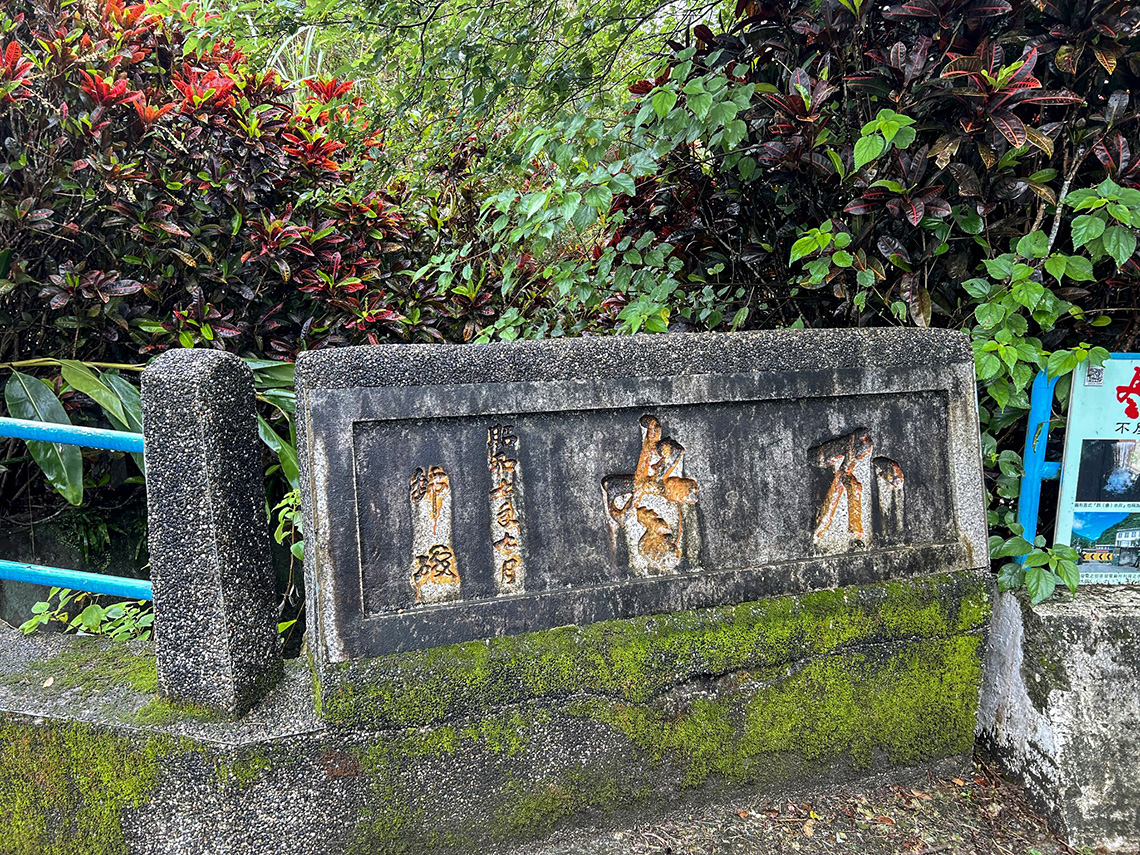
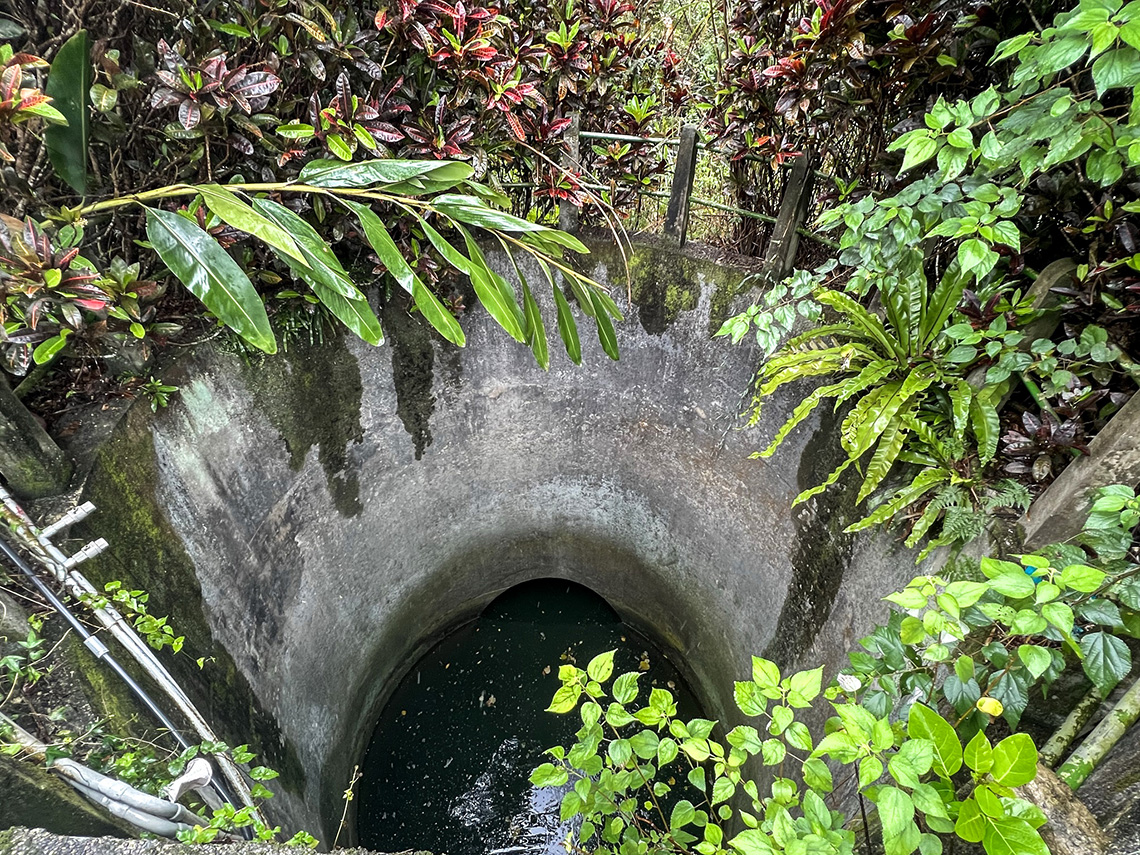
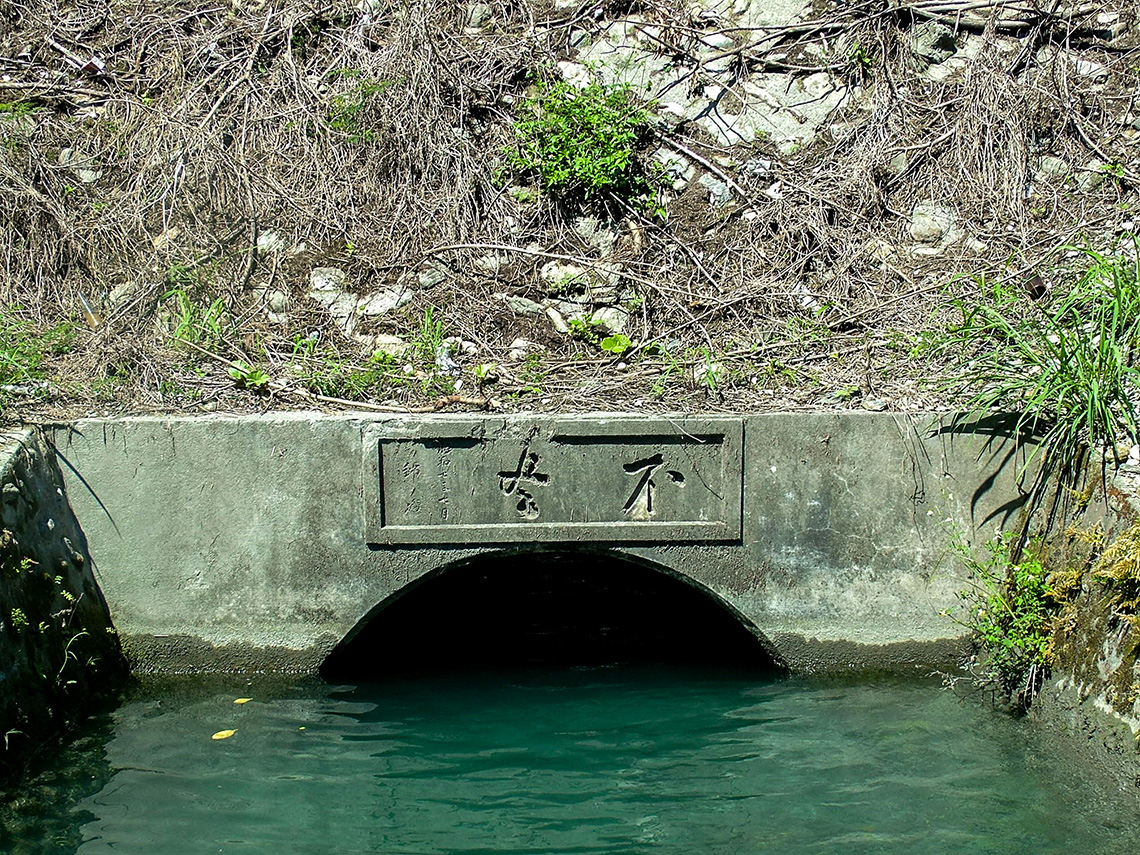
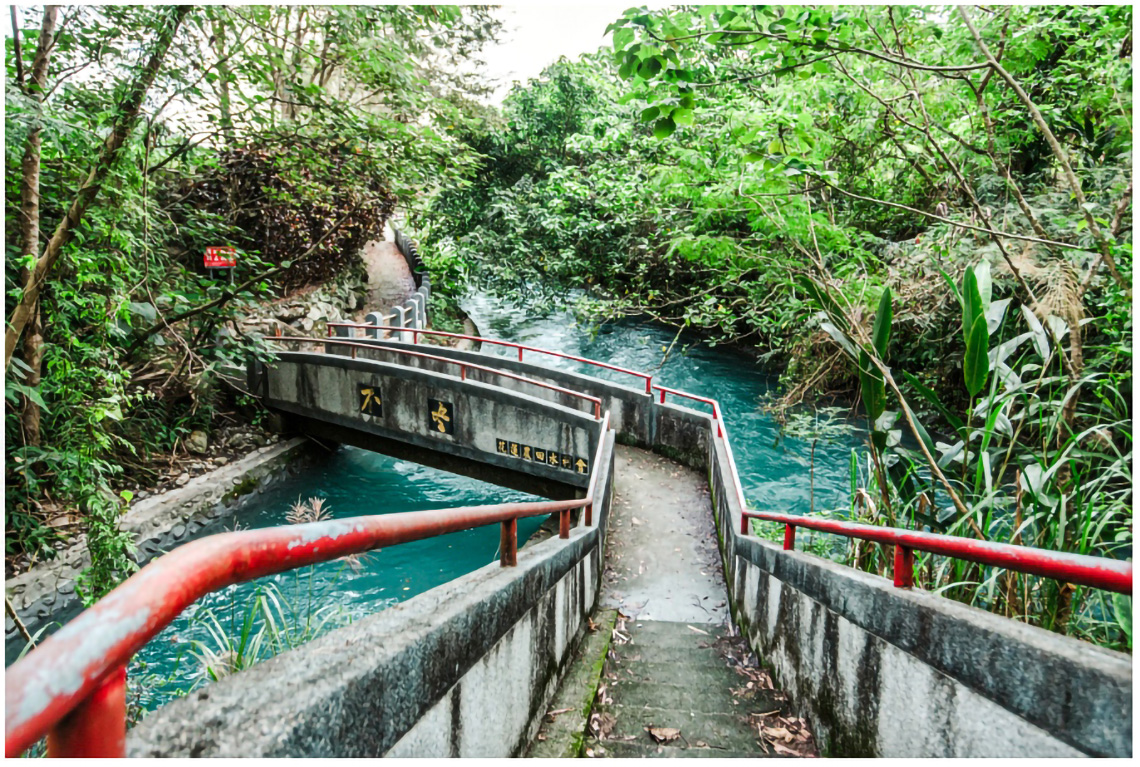
林美石磐步道位於台灣宜蘭縣礁溪鄉林美村(舊名林尾村)附近,海拔約 250–350 公尺,屬低海拔亞熱帶溪谷地形,環境幽靜、綠意盎然。全長約 1.7 公里,是一條「O 型」繞環步道,沿舊水圳整建而成,過去為農村灌溉農田的重要渠道。步道入口約 400 公尺處可見水圳與渠道岩洞遺跡;520 公尺處則有古老取水孔,見證昔日村民的生計方式。 「林美石磐步道」的名稱融合了地名「林美」與景觀「石磐」:林美即當地村落名稱,原稱「林尾」;「石磐」則是指步道終點的壯麗瀑布。過去,居民從上游的石磐瀑布引水灌溉下方十多公頃梯田,這條水圳伴隨村莊繁衍、養育世代。步道中仍可見水圳遺跡與渠道岩洞,彷彿時間凝結的記憶。 林美石磐步道橫跨溪谷與森林,環境清涼、林蔭遮蔽,有「宜蘭小太魯閣」的稱號。沿途可見溪流、瀑布、石磐、峽谷、原始林與筆筒樹林,並設有木棧道、碎石或石砌階梯、木橋等多樣舖面,適合各種休閒程度的遊客。

01佛光大學

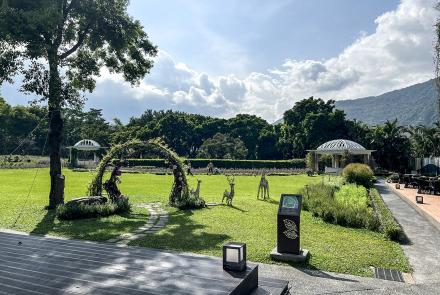
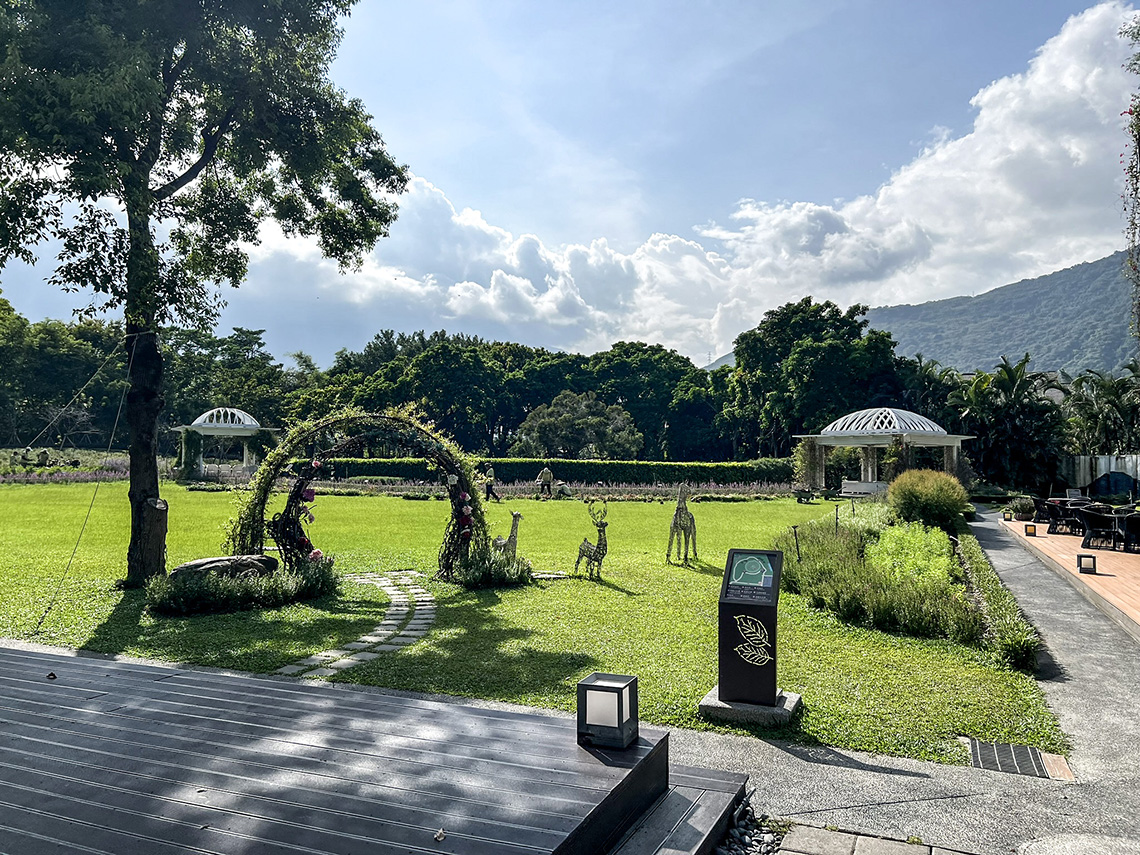
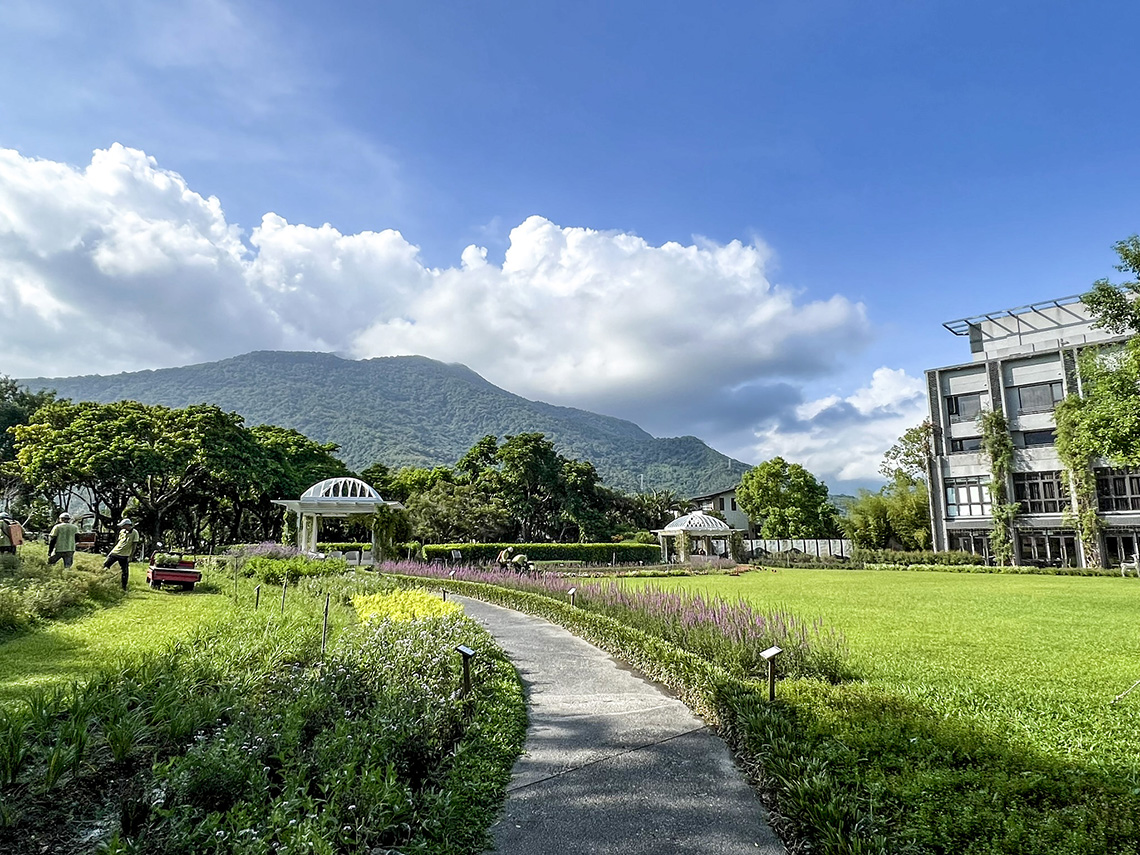
佛光大學的創立起源於星雲大師對教育的深刻期望。大師認為,教育不應只是知識的傳授,更應培養一顆慈悲與智慧並存的心。他推動「人間佛教」理念,強調生活中實踐善與愛,因此他希望建立一所能讓學生在自然與文化中成長的大學。經多年籌劃,大師選擇在礁溪的山上興建佛光大學,使學生能在遠離喧囂的環境中學習,讓心靈得以沉澱與思考。他相信,身處雲海、山林與大地之間,更能體會生命的寧靜與厚度。 佛光大學最著名的特色景觀之一是雲海景色。清晨時,白雲如海般覆蓋山谷,彷彿整座校園漂浮在天空之上,讓人感受到「雲端上的大學」的浪漫意象。日出景色也是許多學生珍惜的風景,太陽緩緩從太平洋升起,光線灑落在蘭陽平原與海面,帶來希望與新生的感覺。 此外,校園內常能見到櫻花季節盛開的花樹與多種野生鳥類,呈現出自然與人文共存的溫柔氛圍。也因環境寧靜,許多學生會在傍晚沿著林間步道散步,當作心靈的整理與休息。 星雲大師以「三好運動」——做好事、說好話、存好心作為教育核心,鼓勵學生在生活中實踐品格教育,培養利他、感恩與正向思維的態度。佛光大學重視全人教育,結合人文、科技、管理與創意,設有文學、社會、創藝與健康等多元學院,培育具備國際視野與人文關懷的現代青年。 學校推動「人間佛教」理念,強調教育不僅是知識的傳授,更是人格的養成。星雲大師曾說:「教育是百年樹人,是社會希望的泉源。」因此,佛光大學在課程設計中融入生命教育、服務學習與倫理思維,培養學生能兼具智慧與慈悲,成為社會的良善力量。

26 陽明交大光復校區-圖書館
26 Yangming National Chiao Tung University Guangfu Campus - Library

1964 年交大恢復招收大學部後,系所與研究單位快速發展,博愛校區逐漸不敷使用。1970 年代初期,校方多次向政府爭取擴校,最終於 1978 年取得位於光復路旁的陸軍威武營區,並徵收周邊民地,共形成三十餘公頃的新校地。 1980 年行政大樓落成後,校本部正式遷入,學校重心自此移至光復校區。同年,新竹科學園區成立,緊鄰校園的地理位置,使光復校區迅速成為學術研究與高科技產業交流的重要樞紐。 1988 年起開始興建固態電子系統大樓,1992 年完工後,半導體中心與國家次微米元件實驗室(NDL)陸續遷入。NDL 於 2002 年更名為國家奈米元件實驗室,2003 年改隸國家實驗研究院後遷至鄰近的奈米電子研究大樓。同年,半導體中心更名為「國立交通大學奈米中心」(Nano Facility Center)。 2021 年配合交通大學與陽明大學合校,奈米中心更名為「國立陽明交通大學奈米中心」(National Yang Ming Chiao Tung University Nano Facility Center)。奈米中心是國內大專院校中唯一規模最大、設備最完善的半導體與奈米科技研發基地,對臺灣半導體科技的發展具有深遠貢獻。 After undergraduate admissions resumed in 1964, academic departments and research units expanded rapidly, and the Bo-Ai Campus soon became insufficient. In the early 1970s, the University sought expansion and in 1978 acquired the former Wei-Wu Army Barracks near Guangfu Road, along with surrounding land, forming a new campus of over 30 hectares. With the completion of the Administration Building in 1980, the University headquarters officially moved to Guang-Fu Campus. That same year, the Hsinchu Science Park was established adjacent to the campus, making Guang-Fu a crucial hub for interaction between academia and Taiwan’s high-tech industry. Beginning in 1988, the Solid-State Electronics Building was constructed and completed in 1992, becoming home to the Semiconductor Center and the National Submicron Device Laboratories (NDL). NDL was renamed the National Nano Device Laboratory in 2002, and after joining the National Applied Research Laboratories in 2003, it moved to the neighboring Nanoelectronics Building. That same year, the Semiconductor Center was renamed the Nano Facility Center (NFC). In 2021, following the university merger, the center was renamed the National Yang Ming Chiao Tung University Nano Facility Center. It is the largest and most advanced semiconductor and nanotechnology research facility among all universities in Taiwan—uniquely unmatched in scale and capability—and has played a pivotal role in the nation’s semiconductor development.

22 陽明交大博愛校區-竹銘館
22 Yangming National Chiao Tung University Boai Campus - Zhuming Hall

交通大學前身為 1896 年清朝創辦的南洋公學。1949 年政府遷臺後,校友積極奔走,主張以電子科學研究作為復校核心。1958 年交通大學因此在臺復校,設立電子研究所,為日後培育臺灣高科技人才奠定深遠基礎。 復校初期選址於新竹十八尖山下三公頃土地,作為交大在臺重新起步的基地。第一棟校舍「竹銘館」由校友捐款與美援經費興建,集教學、研究與行政功能於一身。1960 年交通大學獲聯合國特別基金會支持,在博愛校區設立「遠東電子電信訓練中心」,引入國際師資與技術。1964 年,我國第一座電晶體實驗室於校門口旁的實驗工場成立;隔年成功自製矽平面式電晶體,進一步促成半導體中心成立,開啟臺灣半導體研究的先河。 復校初期選址於新竹十八尖山下三公頃土地,作為交大在臺重新起步的基地。第一棟校舍「竹銘館」由校友捐款與美援經費興建,集教學、研究與行政功能於一身。1960 年交通大學獲聯合國特別基金會支持,在博愛校區設立「遠東電子電信訓練中心」,引入國際師資與技術。1964 年,我國第一座電晶體實驗室於校門口旁的實驗工場成立;隔年成功自製矽平面式電晶體,進一步促成半導體中心成立,開啟臺灣半導體研究的先河。 交大於 1970 年培育出首位工學博士,象徵臺灣高階工程教育的重要里程碑。自 1977 年起,在國科會支持下興建全新的半導體中心大樓,並納入教育部正式編制,成為全國學術與研究單位的重要技術支援基地。其後,國科會於 1981 年設立「半導體貴重儀器使用中心」,1988 年再核准籌建「國家次微米元件實驗室」,使博愛校區成為臺灣科技產業奠基的核心地點。 2021 年交大與陽明合校後,於博愛校區籌設 300 床規模的「竹銘醫院」,由醫療財團法人竹銘基金會負責營運,主攻智慧醫療領域,預計於 2027 年啟用。 The origins of National Yang Ming Chiao Tung University trace back to the Nanyang Public School, founded in 1896 during the Qing dynasty. After the government relocated to Taiwan in 1949, alumni advocated re-establishing the University with a focus on electronic science. In 1958, the University was officially re-established with the Institute of Electronics, laying the foundation for cultivating Taiwan’s future high-tech talent. The initial three-hectare site at the foot of Eighteen Peaks Mountain served as the starting point for the University in Taiwan. Jhuming Hall, funded by alumni and U.S. aid, housed teaching, research, and administrative functions. With support from the United Nations in 1960, the Far East Electronics and Telecommunications Training Center was established. In 1964, Taiwan’s first transistor laboratory was built near the main gate, and the successful fabrication of silicon planar transistors the following year led to the formation of the Semiconductor Center, marking the beginning of Taiwan’s semiconductor research. In 1970, the University awarded its first Ph.D. in Engineering, marking a major milestone in Taiwan’s advanced engineering education. Beginning in 1977, a new Semiconductor Center building was constructed with support from the National Science Council and incorporated into the Ministry of Education’s official structure. In 1981, the Semiconductor Instrumentation Center was established, and in 1988 the University was approved to establish the National Submicron Device Laboratory, solidifying Bo-Ai Campus as a foundational site for Taiwan’s technology development. Following the 2021 merger of National Chiao Tung University and National Yang-Ming University, a new 300-bed Jhuming Hospital began development on the Bo-Ai Campus, operated by the Jhuming Medical Foundation. Specializing in smart healthcare, the hospital is scheduled to open in 2027.

37 北埔老街
37 Beipu Old Street

北埔老街在清領時期曾是北埔最熱鬧的商業中心,現今短短200公尺老街就有7座古蹟,古蹟密集度為全台灣之冠。舉凡國定古蹟金廣福公館、天水堂,還有縣定古蹟慈天宮、姜阿新洋樓,都讓人大開眼界。在老街可以品嚐到以客家為主的美食,像最道地的客家擂茶和著名的石柿餅,整條街看不到大型的連鎖商店進駐,保持著一股純樸的氣息。 Beipu Old Street was once the busiest commercial center in Beipu during the Qing Dynasty. Today, this short 200-meter stretch boasts seven historical sites, the highest density of any street in Taiwan. These include nationally designated historical sites like Jin Guangfu Mansion and Tianshui Hall, as well as county-designated historical sites like Citian Temple and Jiang Axin's Western-style Building, all offering a fascinating glimpse into the past. The old street offers a variety of Hakka cuisine, such as authentic Hakka Lei Cha (pounded tea) and famous persimmon cakes. The absence of large chain stores throughout the street preserves its rustic charm.