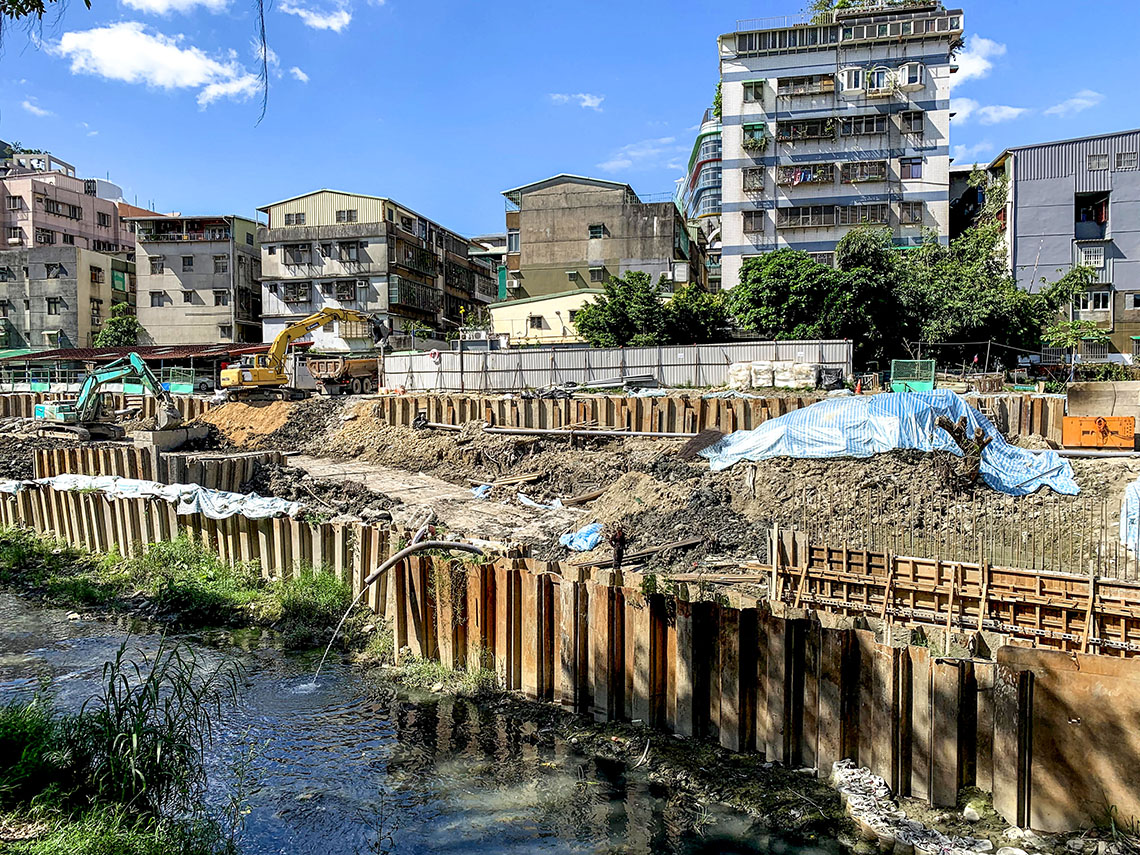
06瓦磘溝礫間淨化公園(中和路305巷)
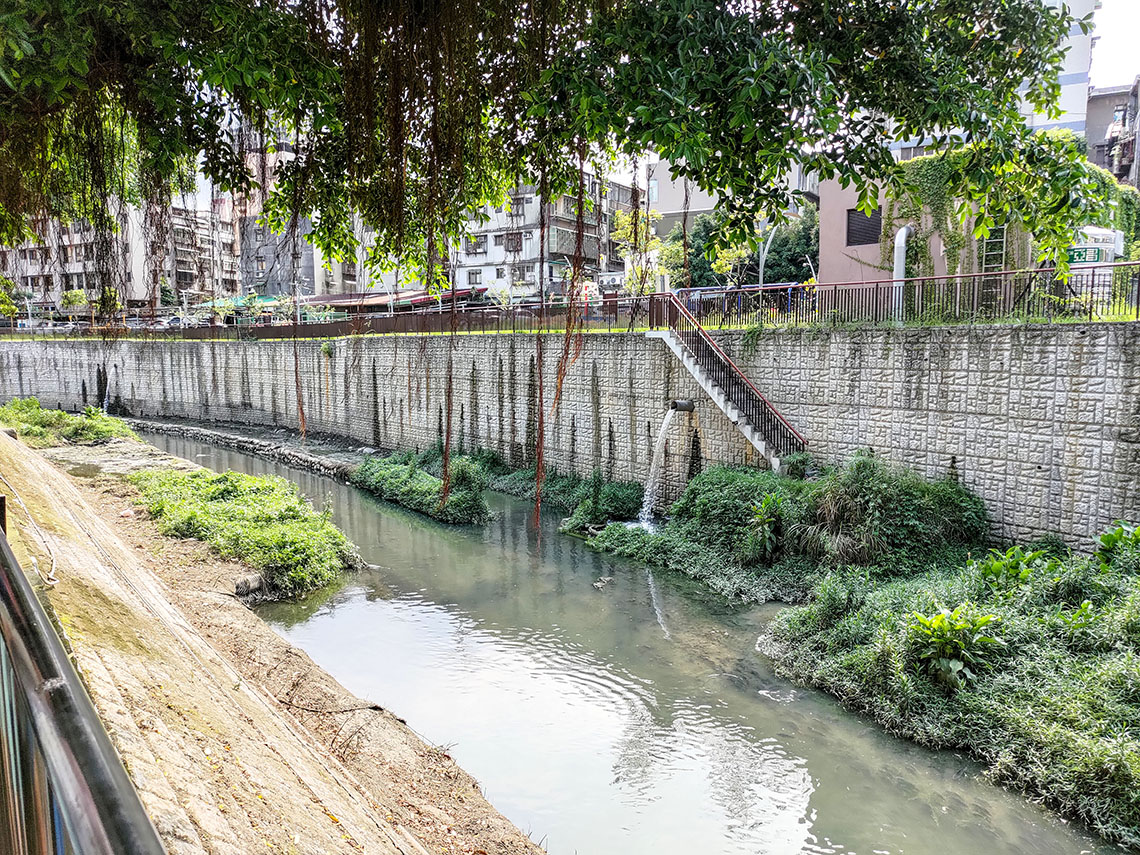
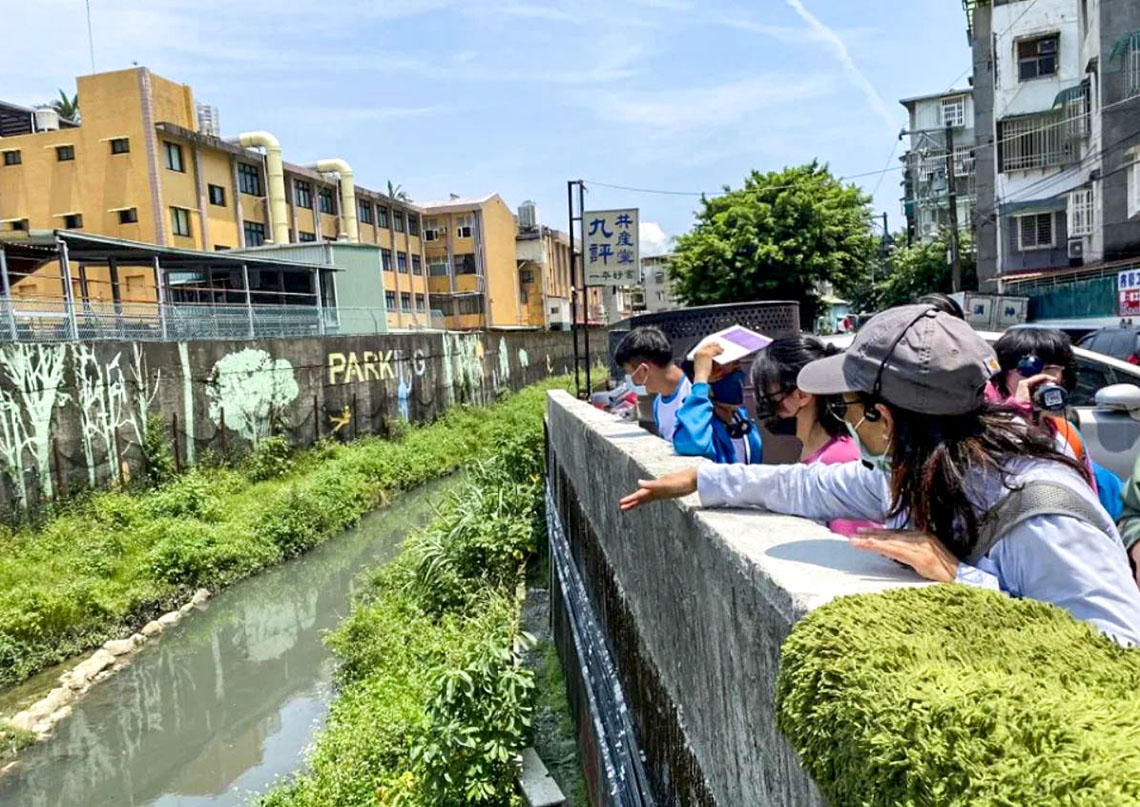
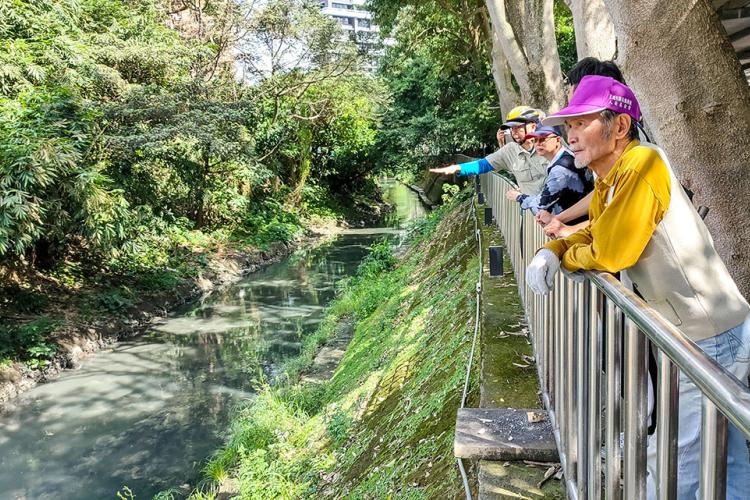
瓦磘溝中下游(中和橋以下)因河岸空間較寬闊,是植被狀態較佳的綠廊區段,沿岸有黑板樹、臺灣欒樹、構樹、樟樹等植物,夜鷺、白鷺鷥、喜鵲、翠鳥等鳥類,以及其他都市綠地常見生物,生態豐富度令人驚奇。2022年還啟用一座結合地下礫間淨水設施及地上綠美化的小公園,淨化原理是利用水流通過礫石間縫隙,產生細微氣泡增加溶氧量,並以礫石上附著的生物膜來分解污染物質,工程預估每日可處理3000噸污水(約1.5萬人次生活污水量)、降低七成污染物質,是結合淨水、生態、景觀、休憩的河流整治工法。
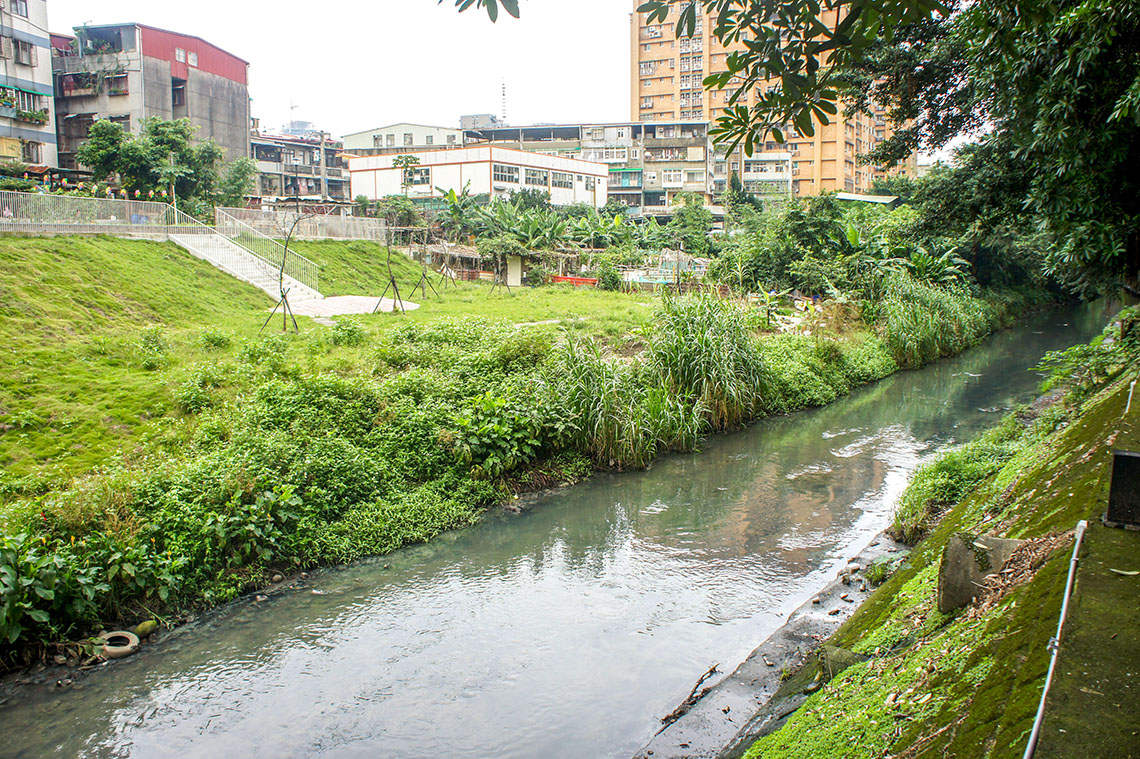
05雙江口(智光商工)
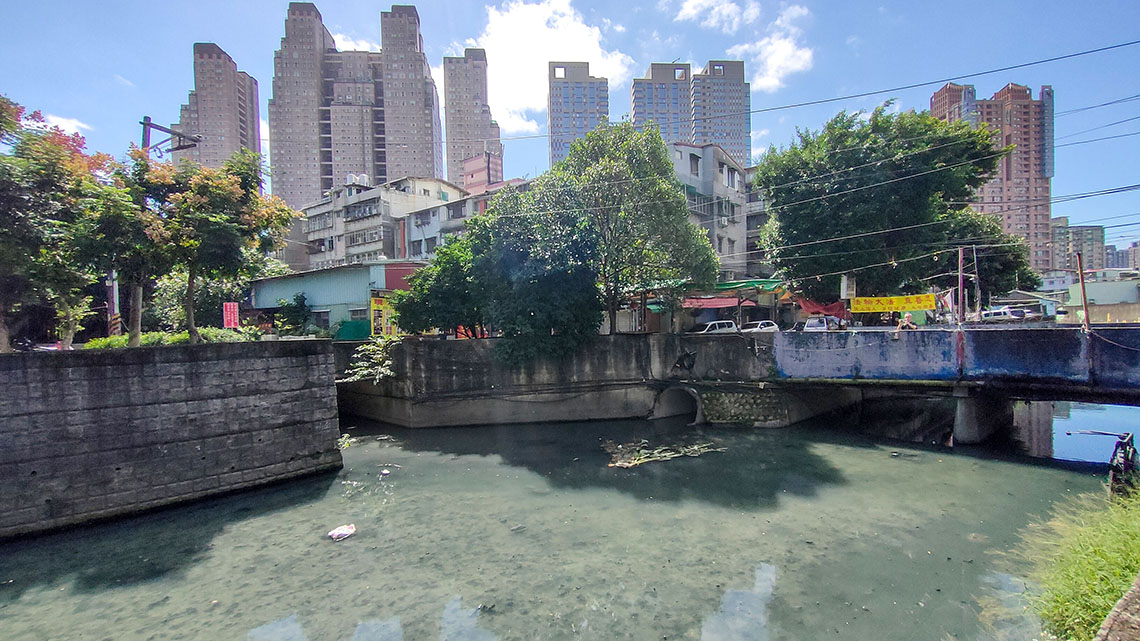
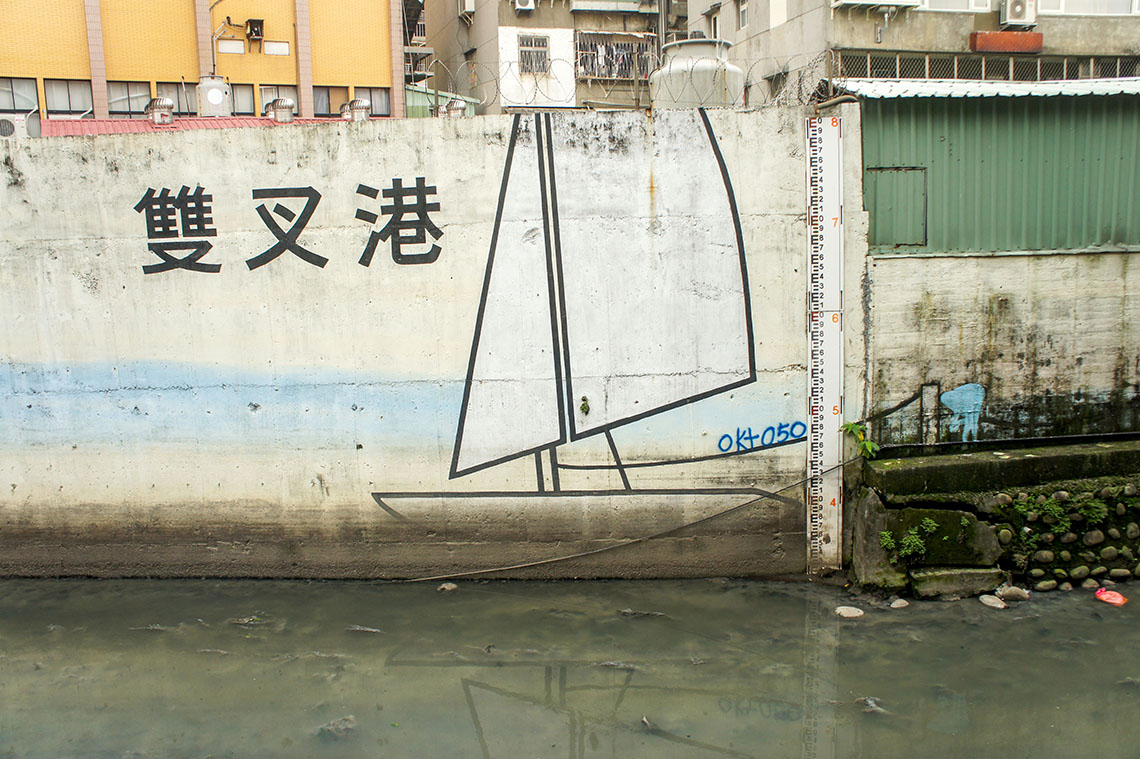
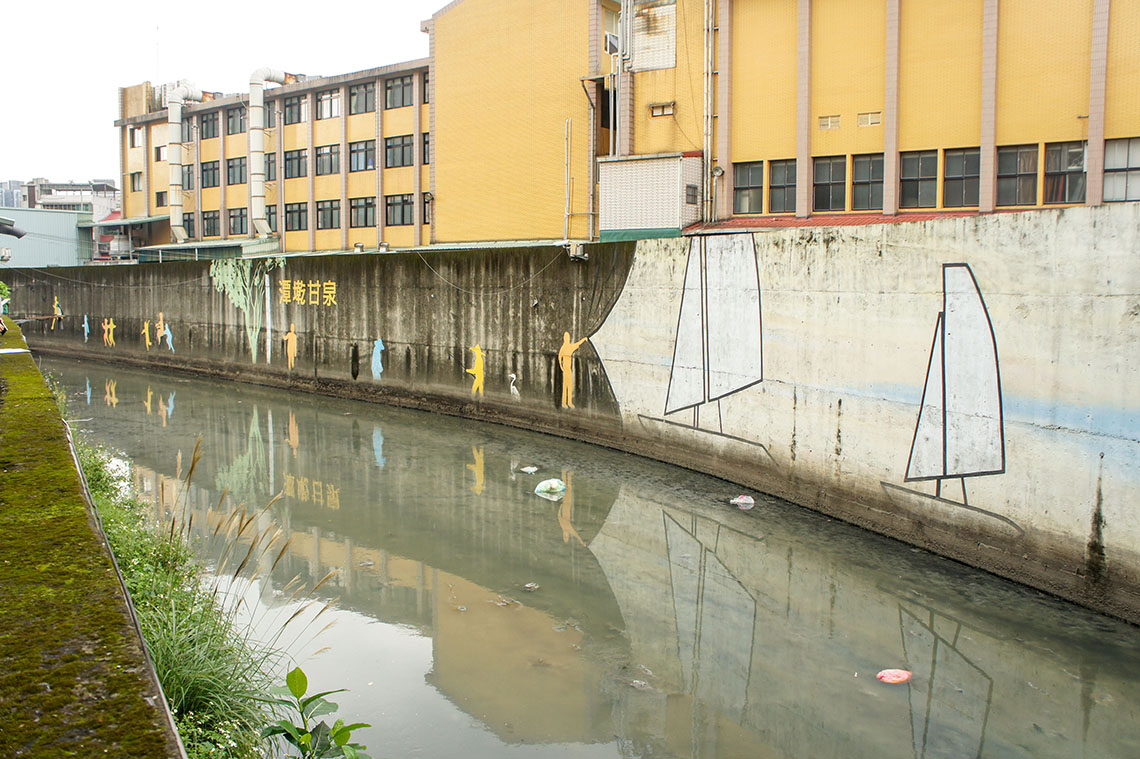
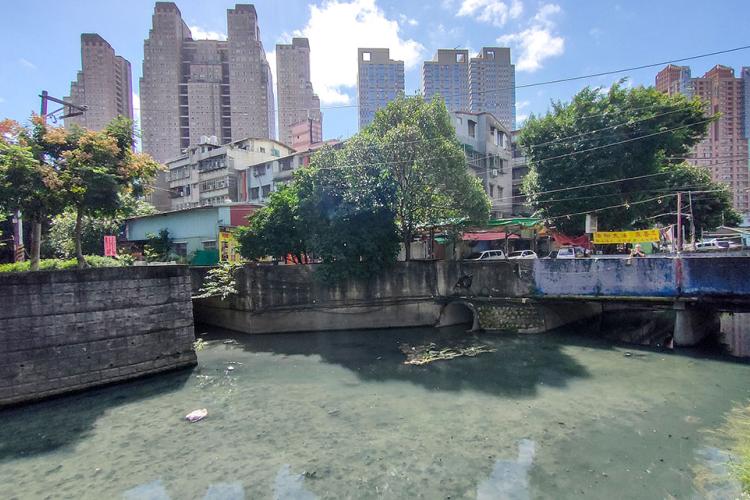
智光商工後方的民享橋旁,是瓦磘溝南、北支流的匯流處,故稱雙江口,臺語稱雙叉港,意指有兩道水流在此交會,亦象徵此處為昔日水運往來的交會點。瓦磘溝南、北支流匯集後成為瓦磘溝主流(東支流),大略以西北流向繞行中永和邊界,最終經由瓦磘抽水站排入新店溪。此外,由於河流匯流處通常為地勢低窪之地,常受洪患威脅,過去此處兩岸河道築有水泥堤防,但此屬於「三面光」整治工法,使用無孔隙的水泥鋪平河岸的兩側及底部,會使生物失去棲地空間。所幸在2022年此地運用子母溝工法進行河道改善,提升河段水流速度與河岸綠化植被,重新營造出友善的生態環境。
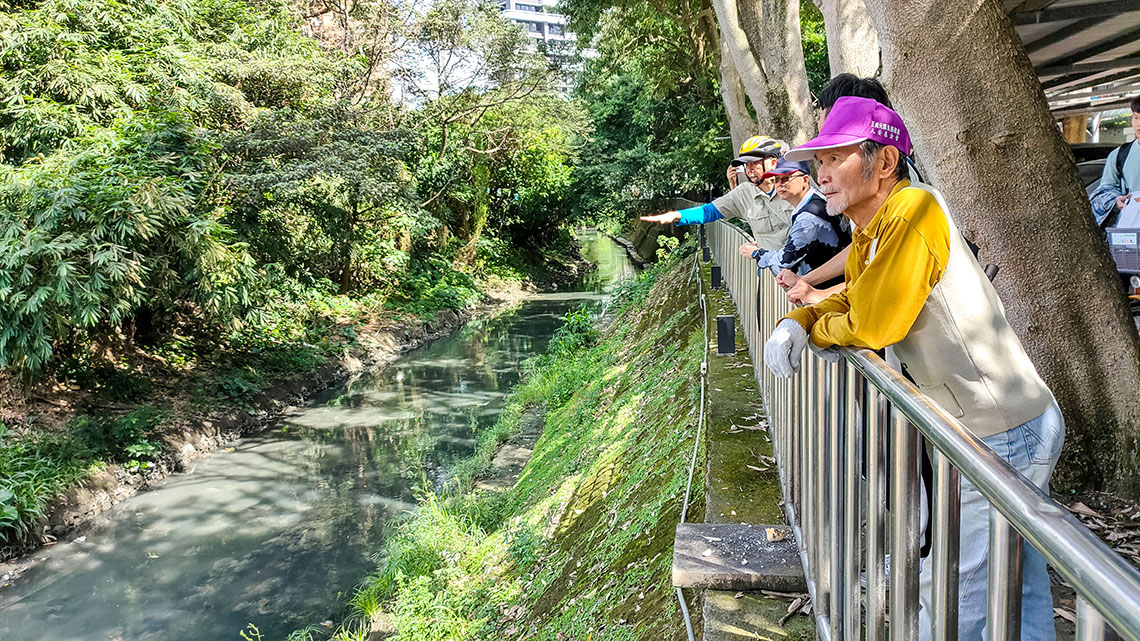
04瓦磘溝北支流源頭(復興商工)
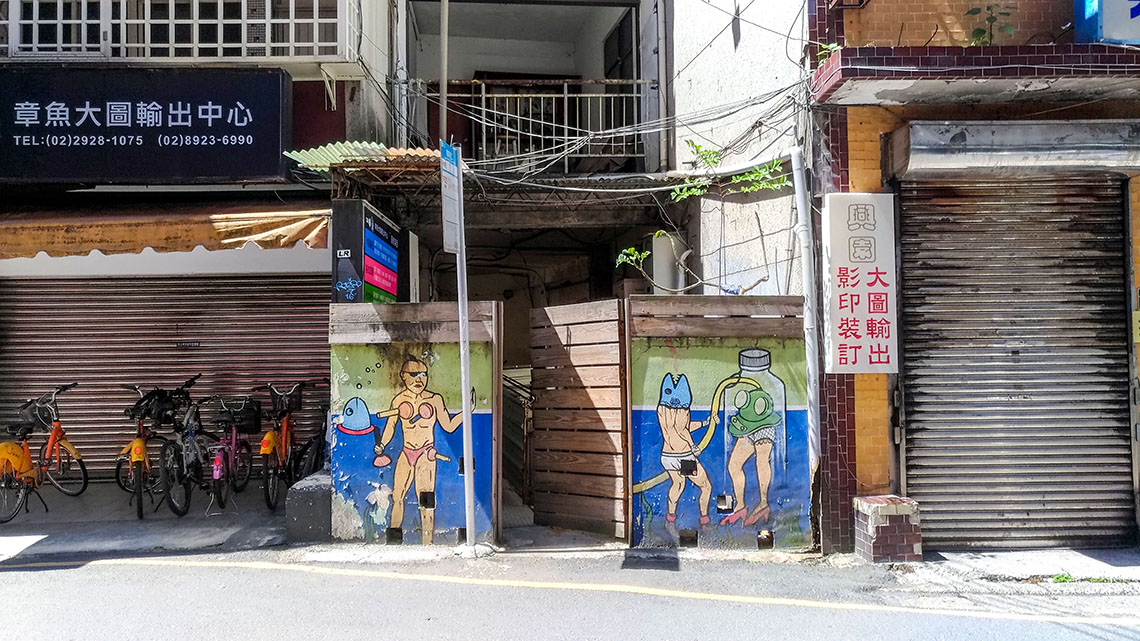
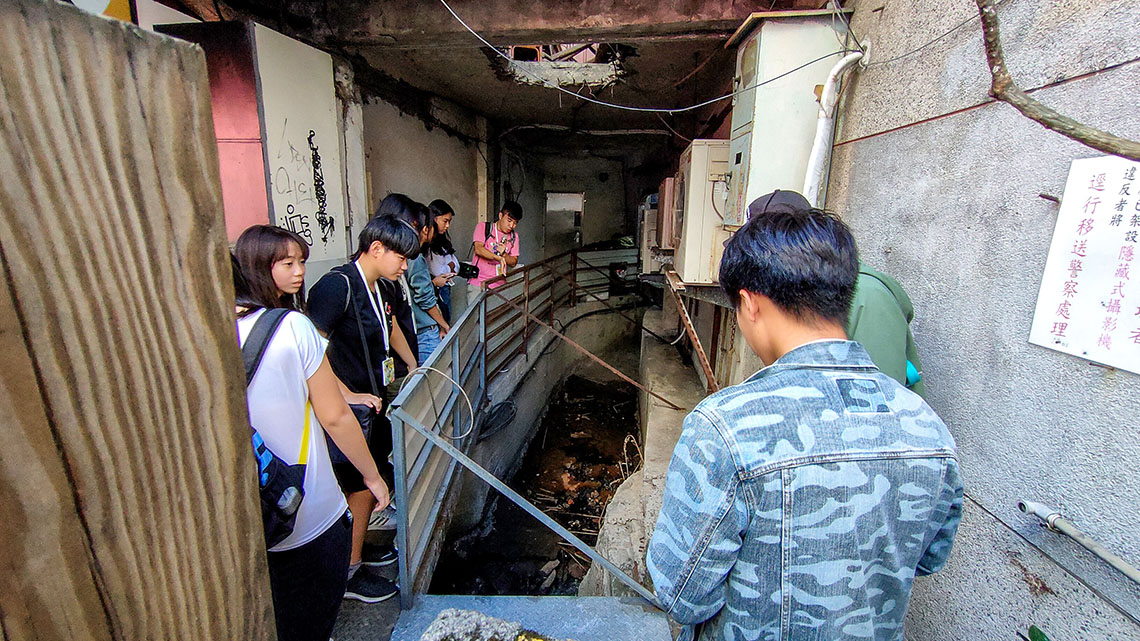
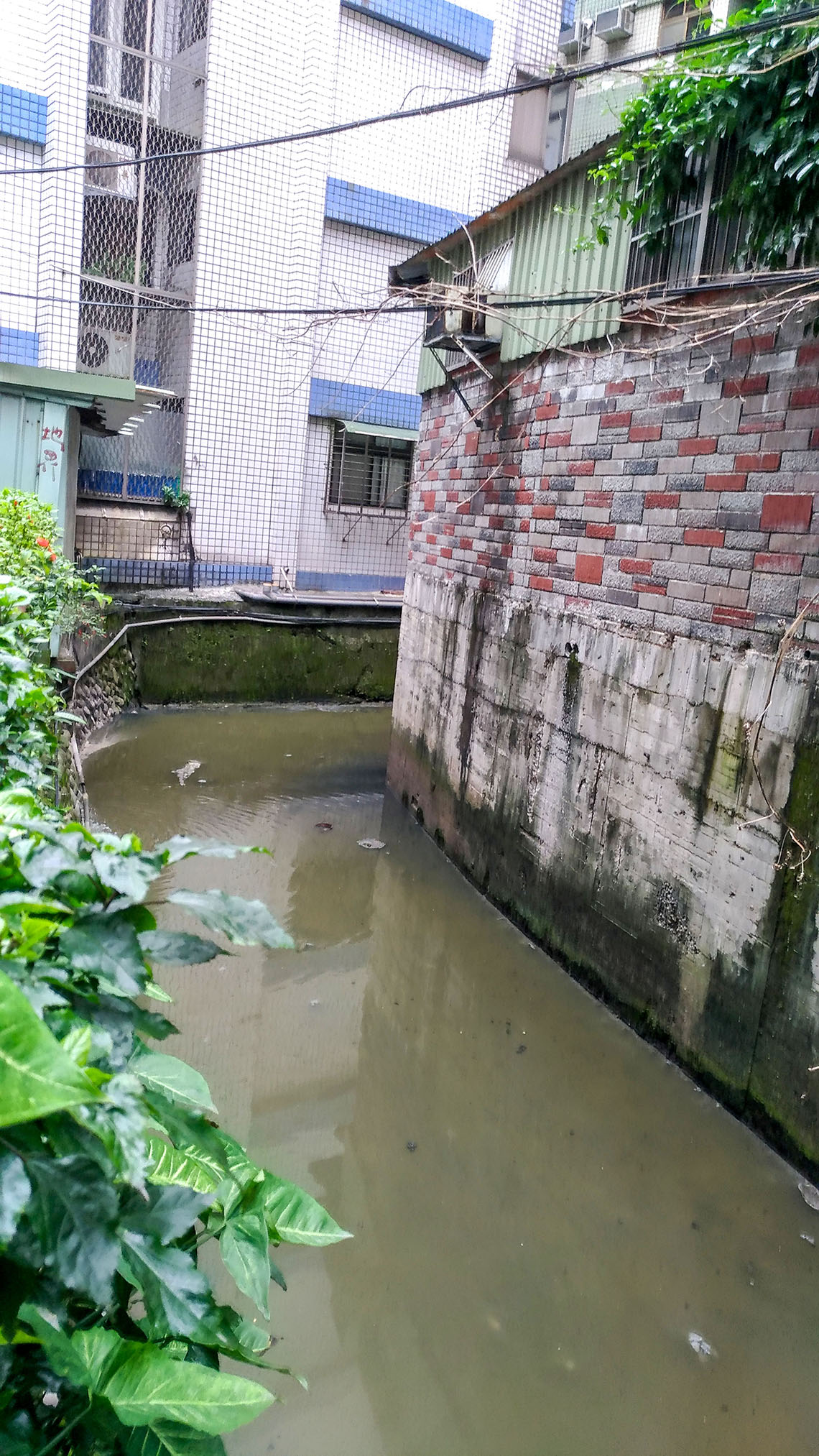
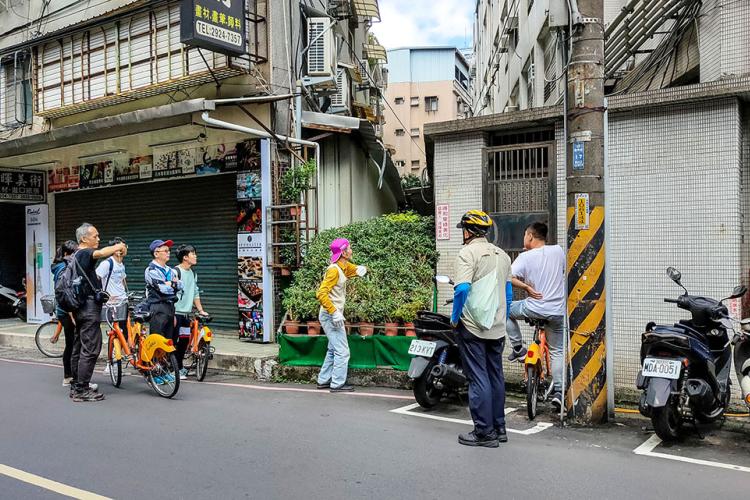
瓦磘溝北支流源頭位於復興商工附近,流經永和區得和里境內。昔日北支流的主要水源為農田灌溉所排出的水,但隨著雙和地區都市化、不透水面積增加後,失去主要補注水源,使得上游的河段水量偏少、流動性較低,加上周邊汙水排入,以及曝氧空間不足,導致水質汙濁、水色灰綠、有異味,此河段雖然看起來環境較不討喜,但能深刻體驗水質汙染議題。此外,因河道細小多隱藏於建築物間、綠美化木柵欄、柏油路面或違章建築底下,亦可培養環境敏銳度來找尋瓦磘溝河道所在。
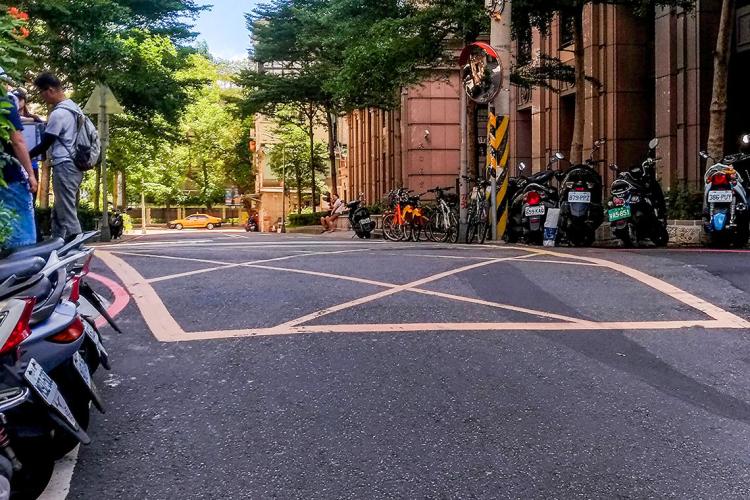
03永豐圳遺址(永利消防分隊旁永利路72巷)
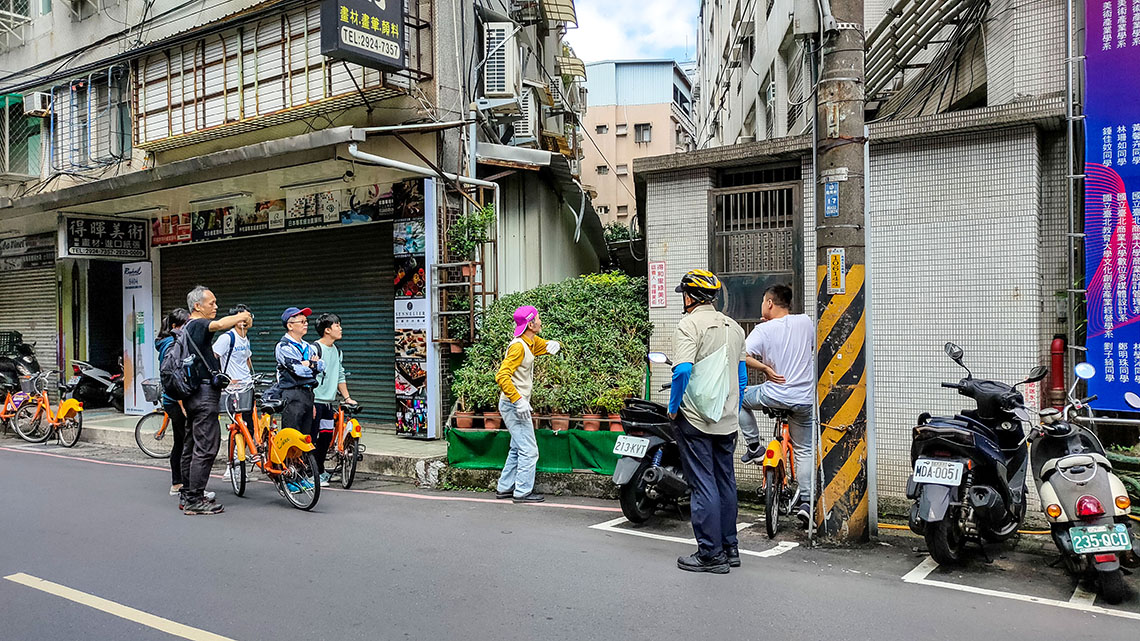
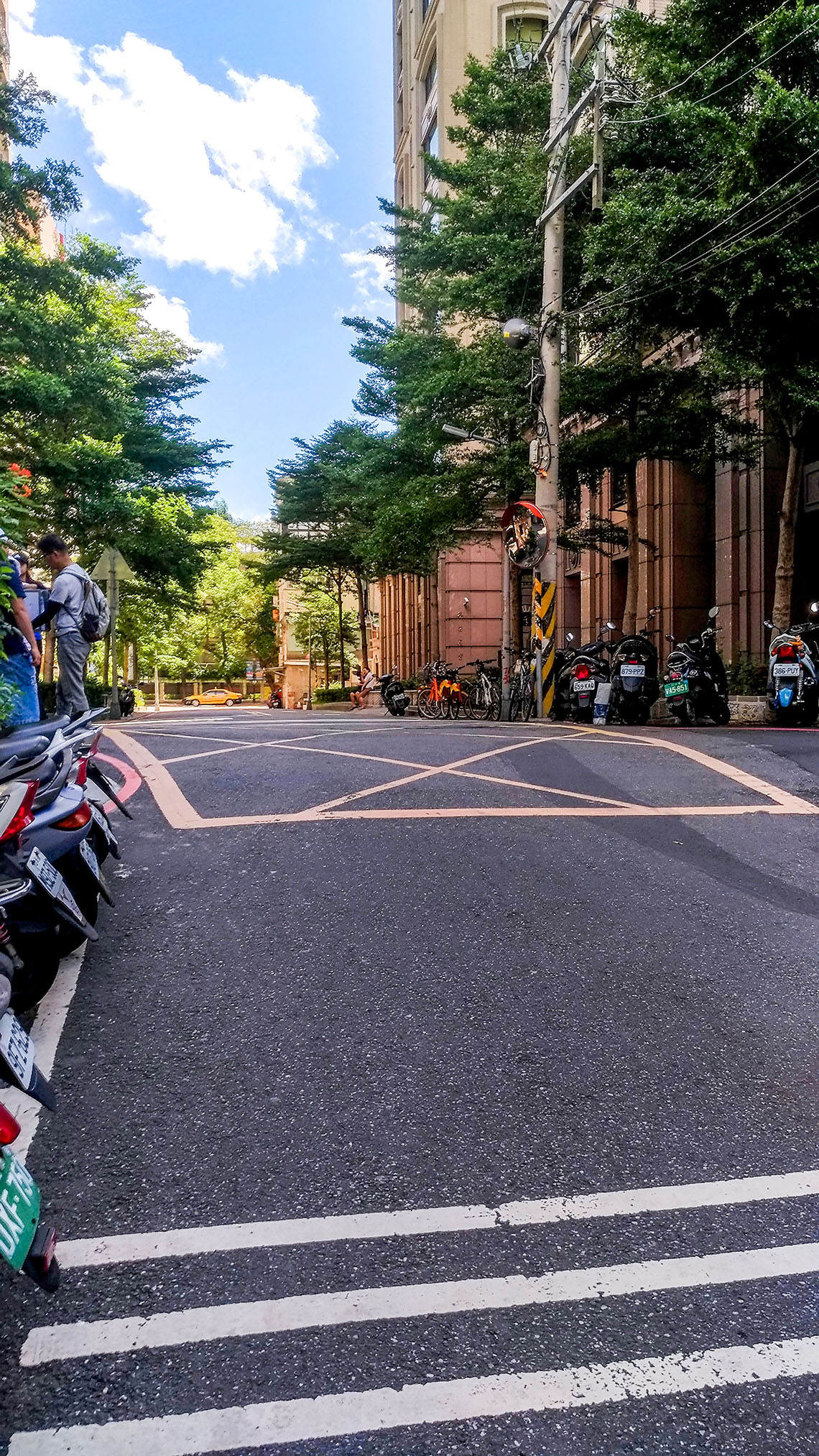
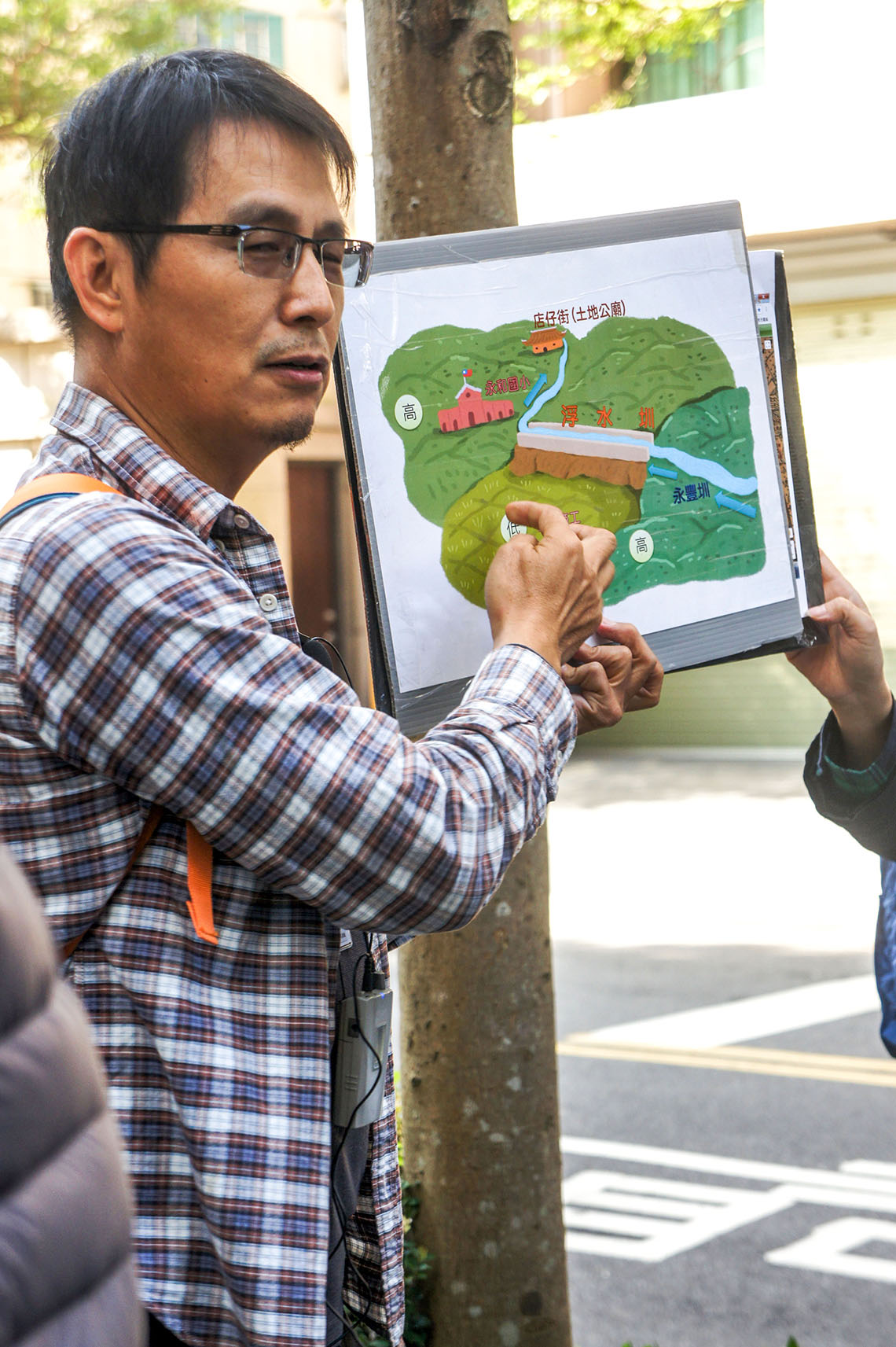
永豐圳為清朝乾隆年間,墾號林成祖為灌溉雙和地區農田所開鑿,自新店溪碧潭處築堰取水,灌溉範圍擴及雙和八百餘甲。在瓦磘溝北支流源頭附近的永豐圳遺址,屬於永豐圳舊東支線的浮圳仔(建造時間相對主圳較晚),浮圳之名據傳在興建此段水圳時,因上下游兩端的地勢較高,但中段相對凹陷,為使水流通暢而取土堆高來築渠。現今於永利路72巷觀察東西向延伸的路面,亦可發現是一個明顯突起的小坡,沿著復興商工後方流向永和國小前門,此即是隱藏在柏油路下的浮水圳遺址,昔日灌溉出秀朗、潭墘、店仔街地區的良田。
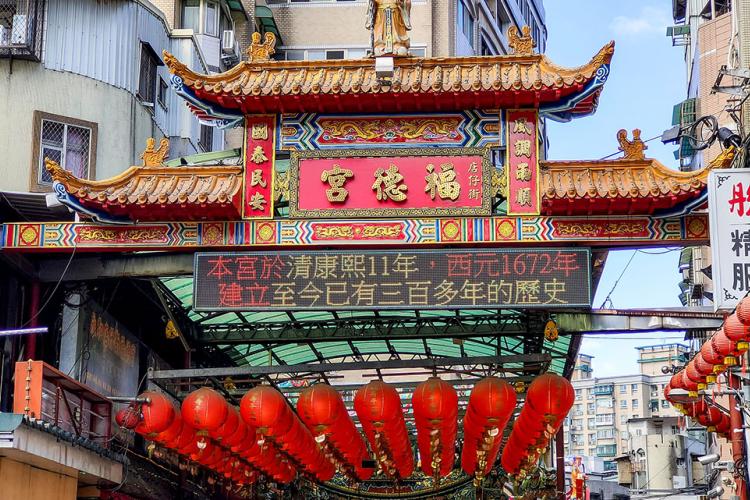
02店仔街福德宮
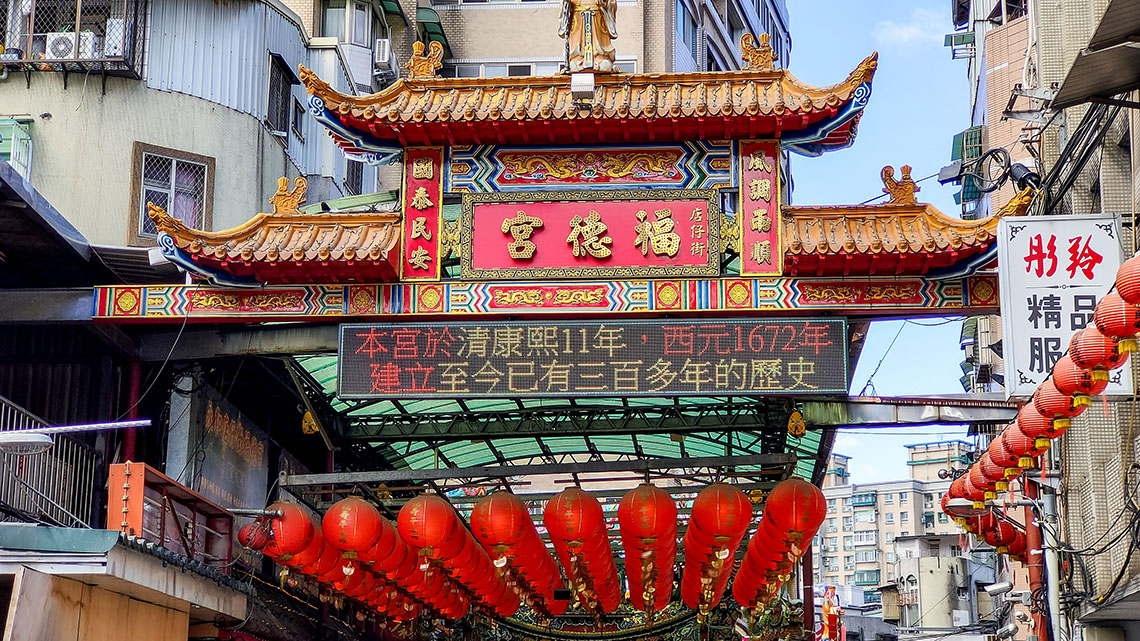
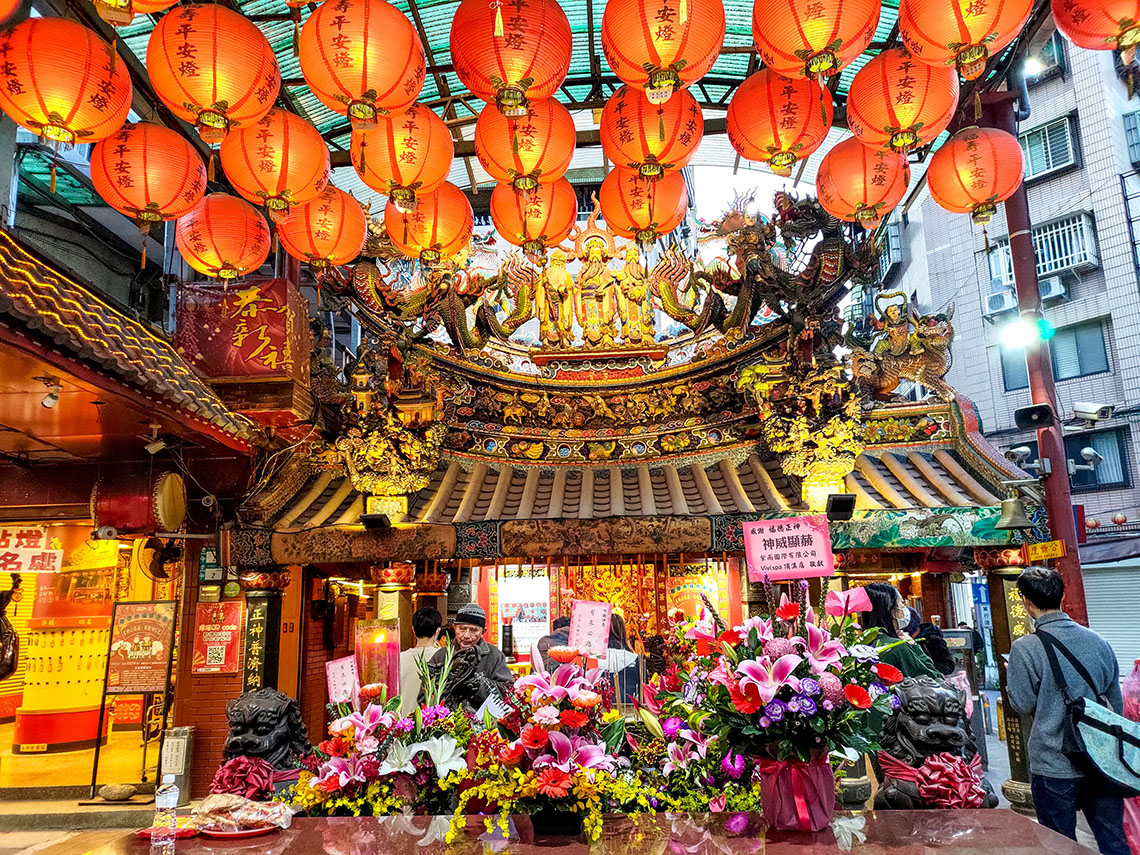
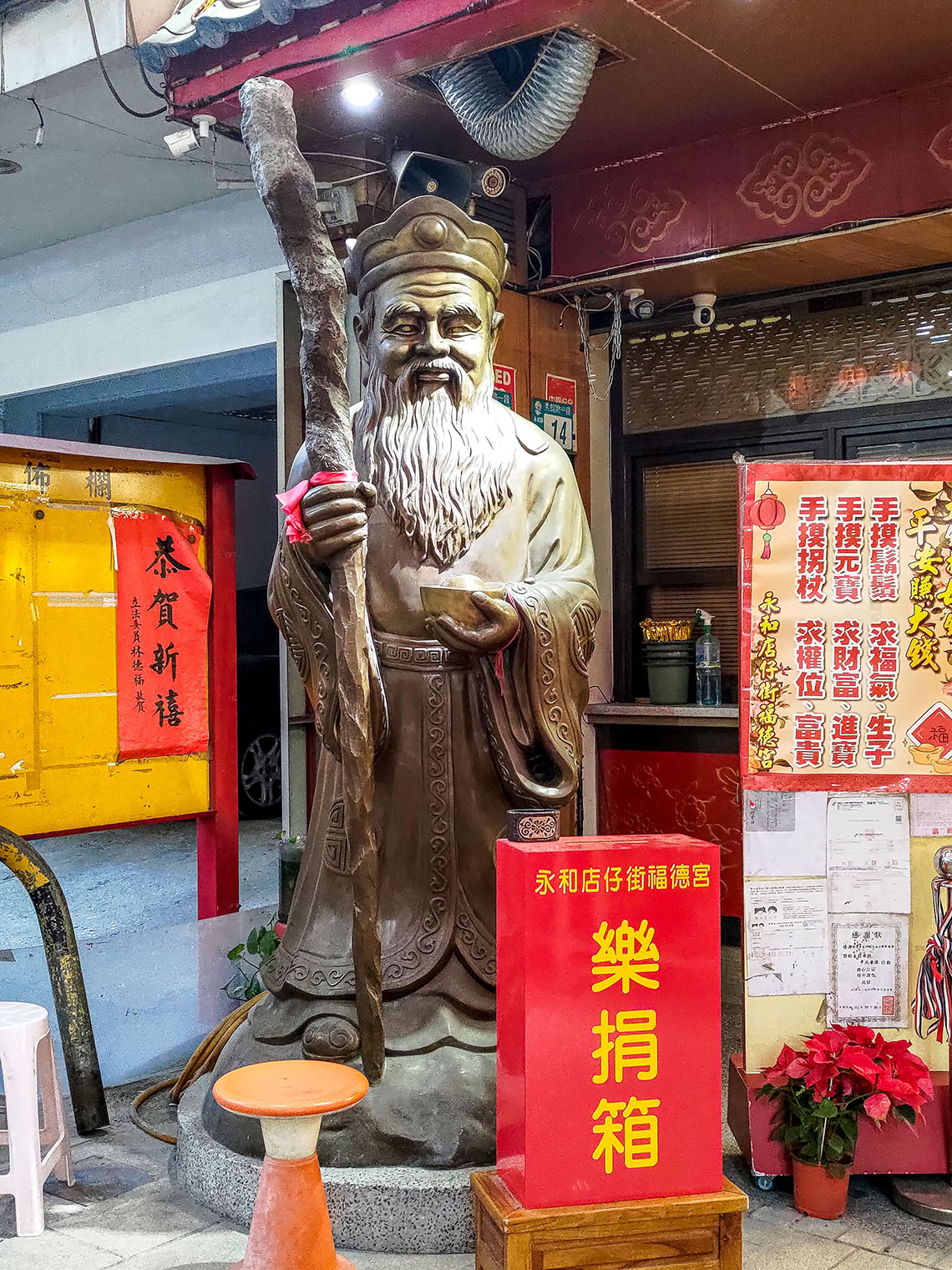
清代漢人進入大臺北地區開墾經商,商船經由水運從淡水河口進入艋舺,再循新店溪上溯至石碇、木柵、新店等地,永和為中途轉運站,貨運商品集散於此,雙和居民及商人來往交易買賣而逐漸繁盛,形成一條約有十多家店鋪的市街,便以「店仔街」命名。店仔街是永和早期聚落發展的重要核心,位於今日秀朗路一段、自由街附近,店仔街福德宮相傳為清康熙年間建廟,至今有三百多年歷史,為永和地區歷史最悠久的福德宮,也是居民之信仰中心。
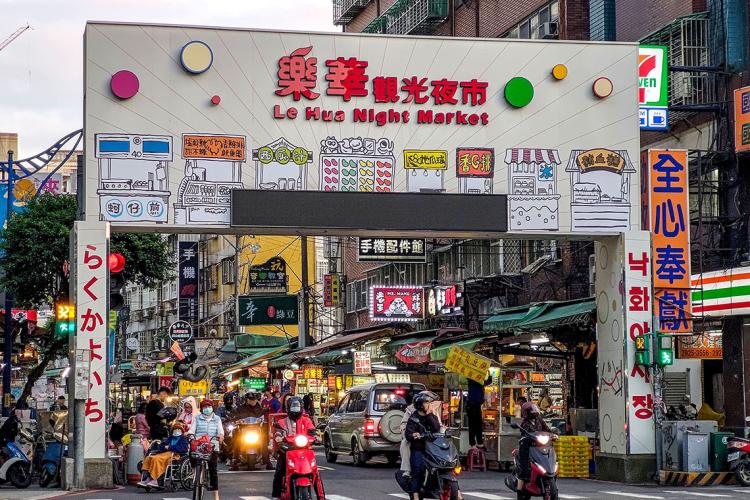
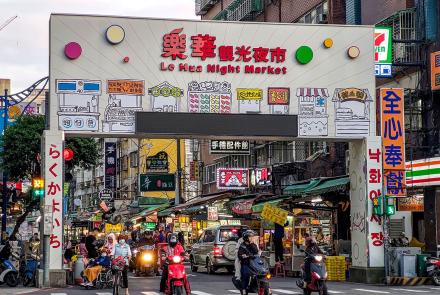
01樂華夜市
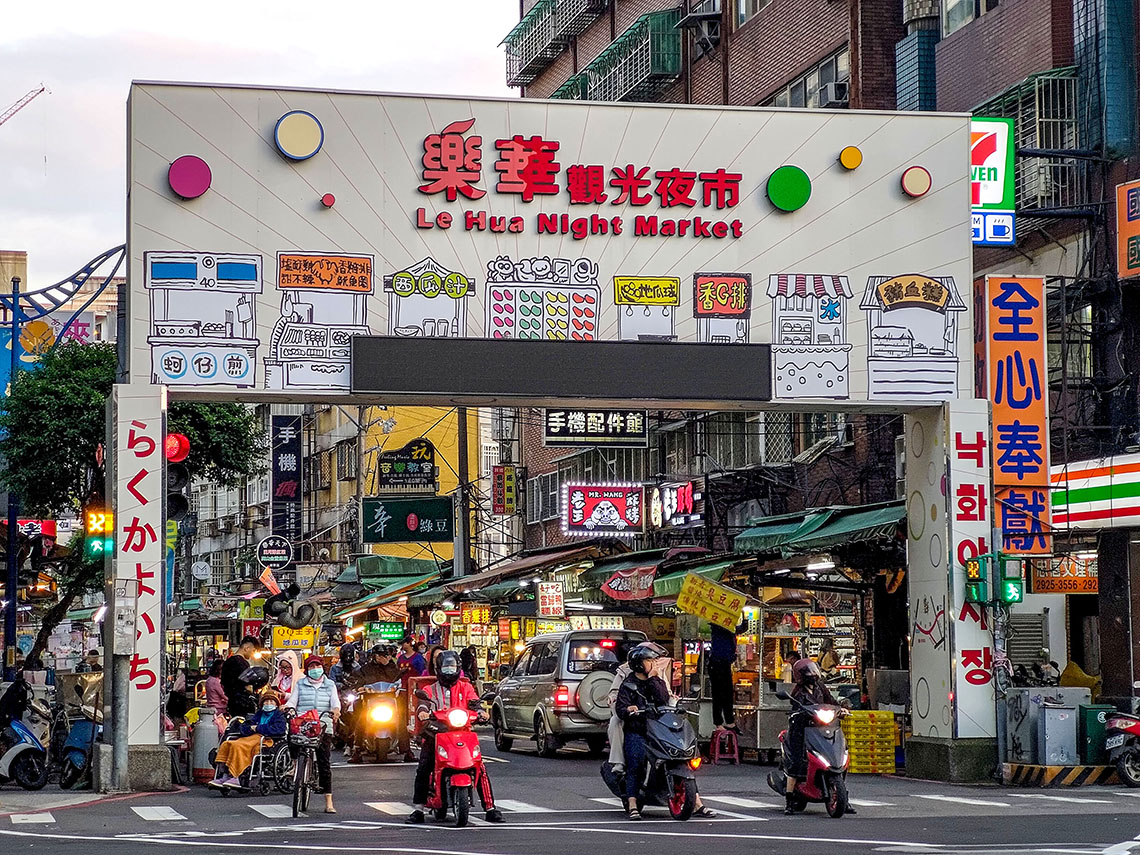
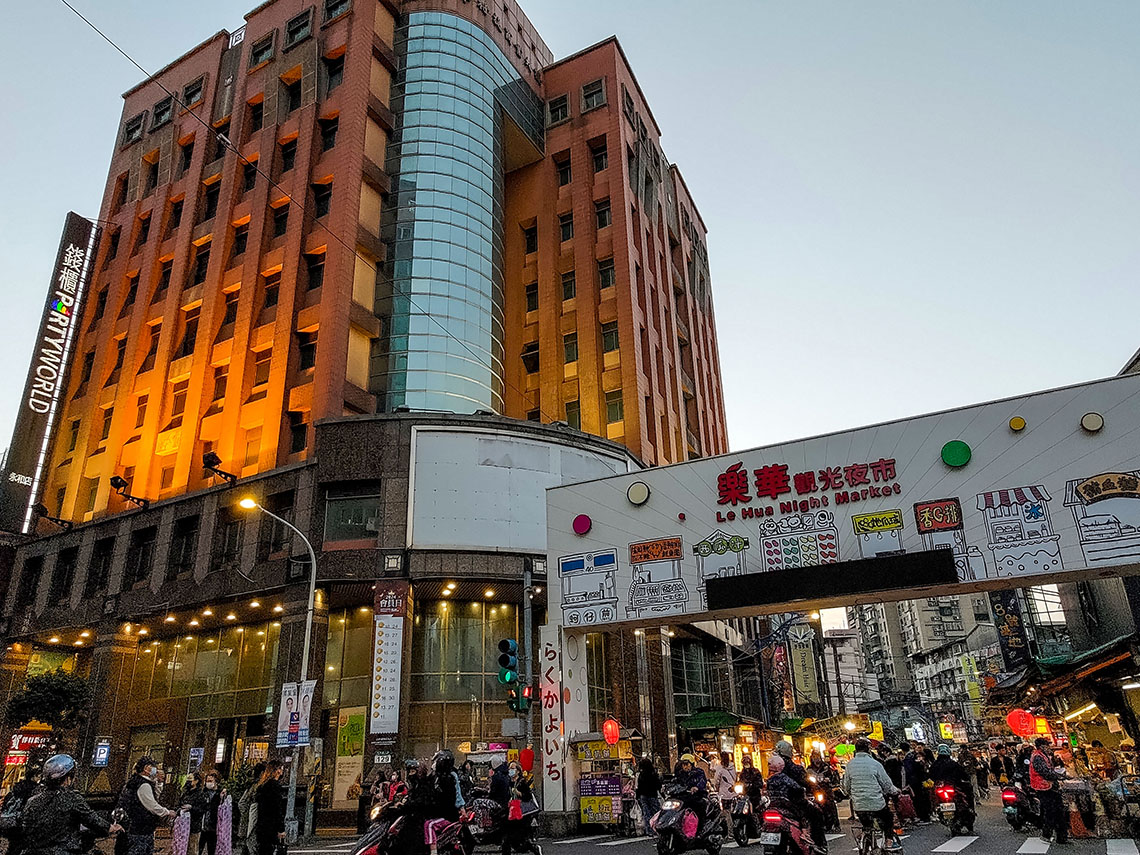
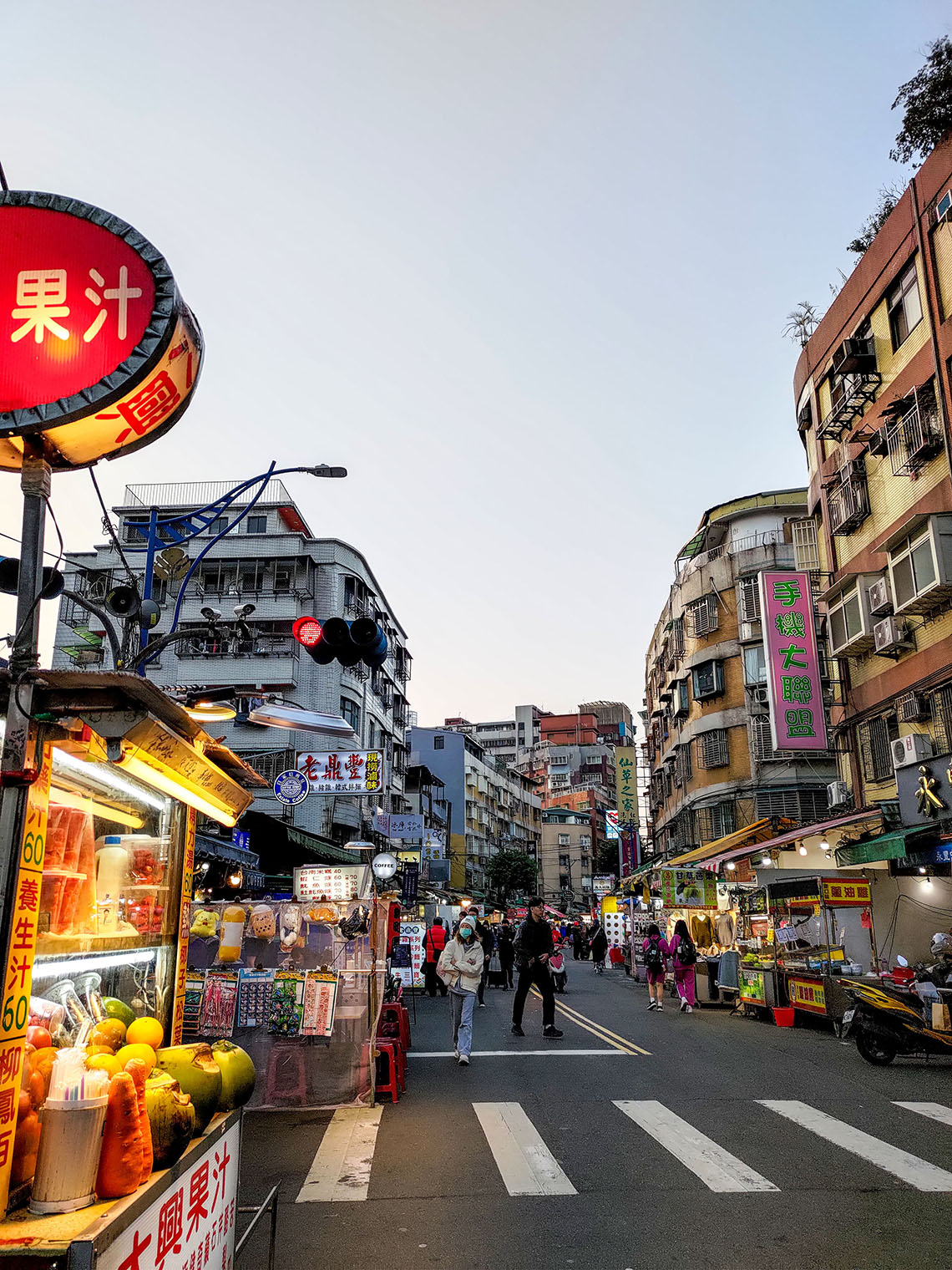
樂華夜市興起於1970年代,因入口旁原有一家樂華戲院而得名(後改建為現今錢櫃KTV大樓),夜市範圍以永平路為主,延伸至保福路一段、保平路18巷、中山路口等,包含許多美食小吃、服飾配件、3C用品等攤商及店面,是永和的重要商圈。另外,此區有一個「舊廍」的舊地名(今和平街附近),近代亦曾在修路整地時發現一個製糖的石車,是因為清代永豐圳的灌溉範圍未及此處,泉州人便運用原鄉的製糖技術,開闢旱田埔園種蔗並開設糖廍製糖,永和的傳統製糖業發展直到日據初期萬華的新式糖廠成立才逐漸被取代。