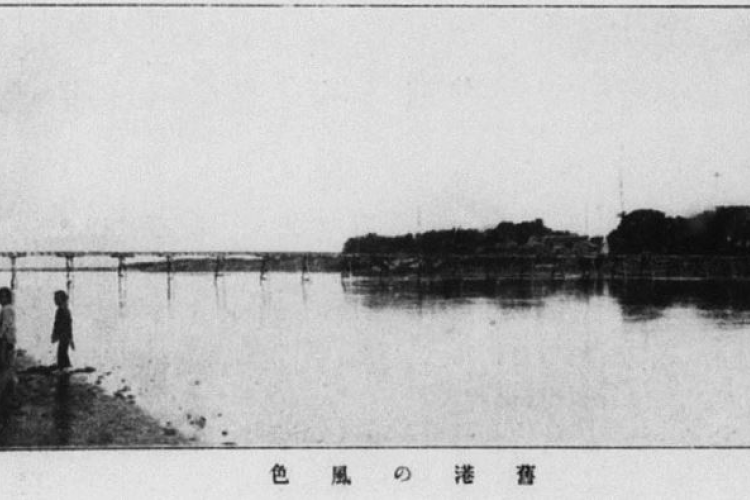
02 舊港橋
02 Jiu-Gang Bridge
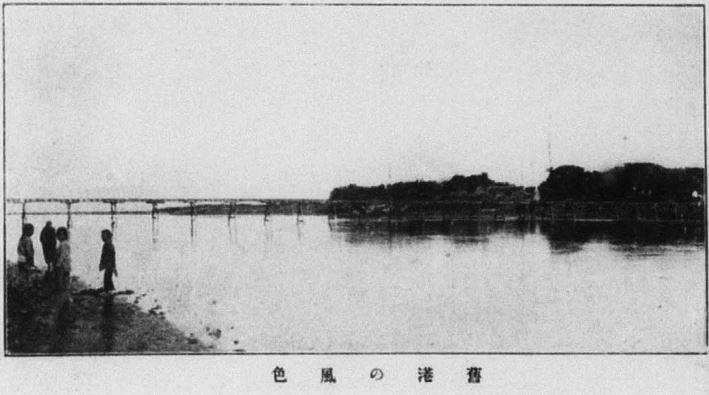
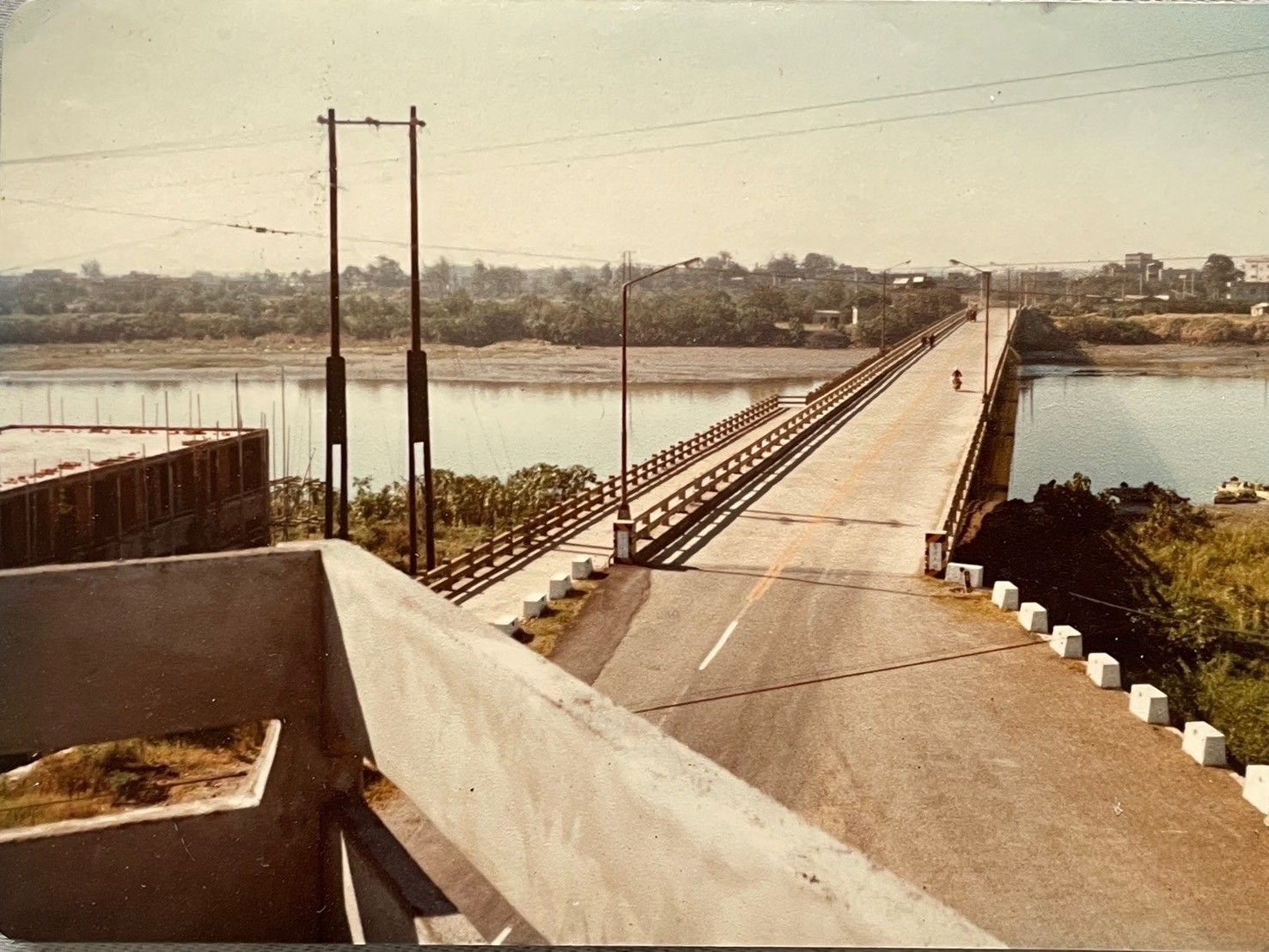
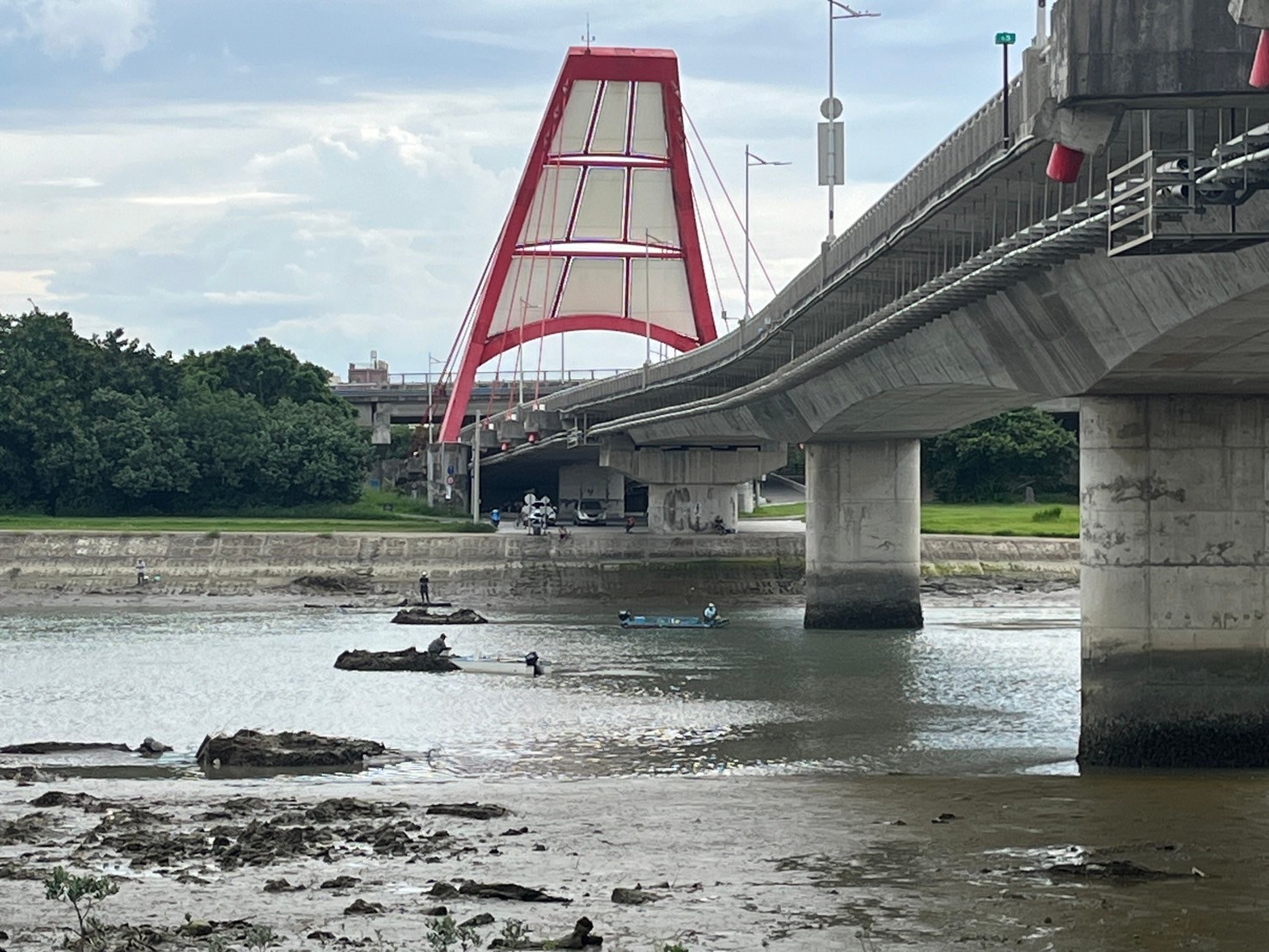
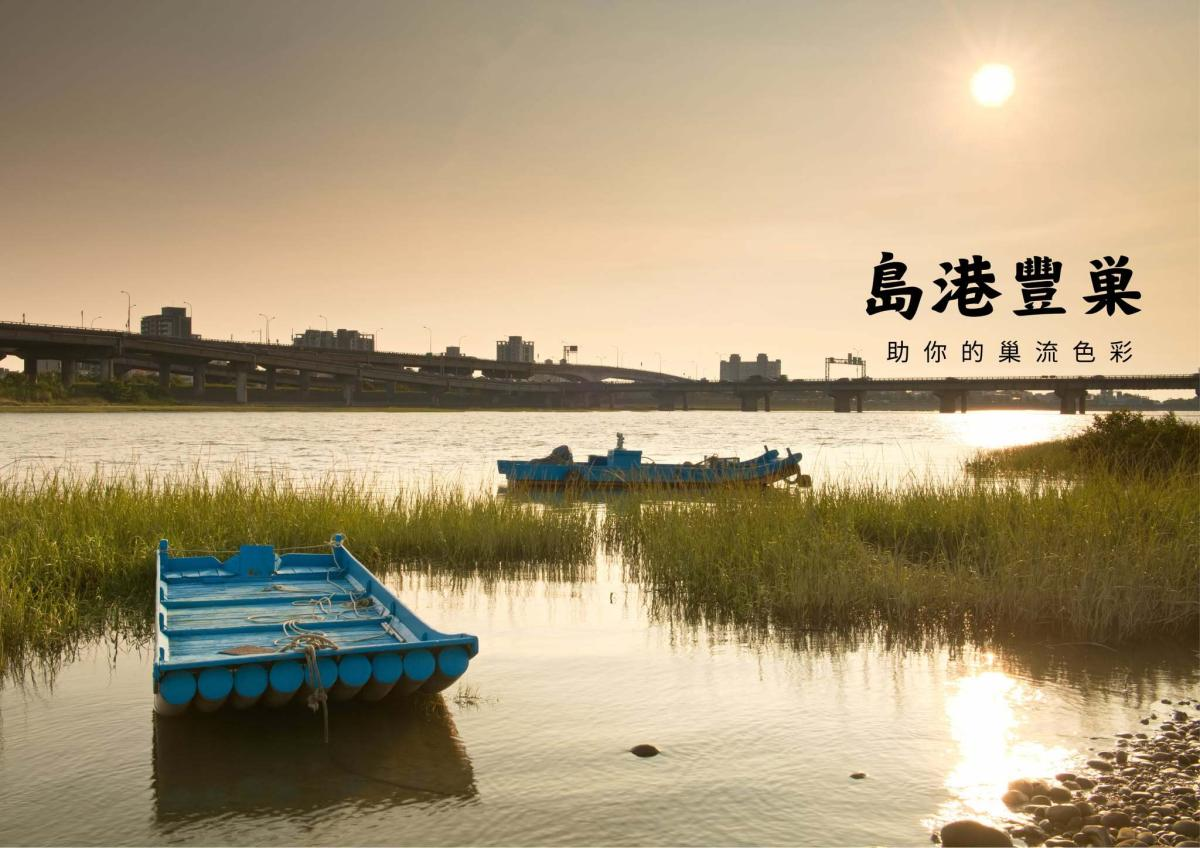
舊港過往聯外的交通方式為渡船和臨時搭建的木橋,由於木橋時常因風災毀損的緣故,只能仰賴渡船通行,1960年渡船翻覆事件後才興建第一代舊港大橋,隔年完工,1963年因葛羅里颱風毀損,1977年興建第二代舊港大橋後將其拆除,2007年興建第三代舊港大橋,2009年完工通車,亦即今日的百年防洪斜張大橋。
In the past, the only means of transportation connecting the Jiu-Gang to the outside world were ferries and temporary wooden bridges. Because the wooden bridges were often damaged by typhoons, people could only rely on ferries for passage. After a ferry capsized in 1960, the first generation of the Jiu-Gang Bridge was built and completed the following year. It was damaged by Typhoon Grori in 1963. The second generation of the Jiu-Gang Bridge was built in 1977 and then demolished. The third generation of the Jiu-Gang Bridge was built in 2007 and completed and opened to traffic in 2009. This is the century-old flood control cable-stayed bridge we see today.
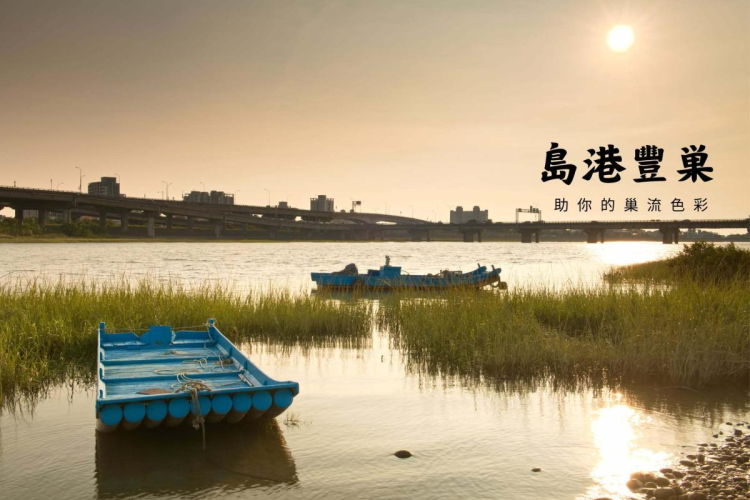
01 家離水邊那麼近
01 My home is so close to the water
新竹最容易親近一條溪的社區-舊港島。在歷經河道淤積、港口廢止、行水區禁建的歷史變革後,近年的公民參與行動,正翻轉這個社區成為一座人文生態島。
Jiu-Gang Island (means the old harbour) is the community in Hsinchu most easily accessible by a stream. After undergoing historical changes such as river siltation, port abandonment, and construction bans in the river reservation zone, recent civic engagement is transforming this community into a cultural and ecological island.
07大水堀
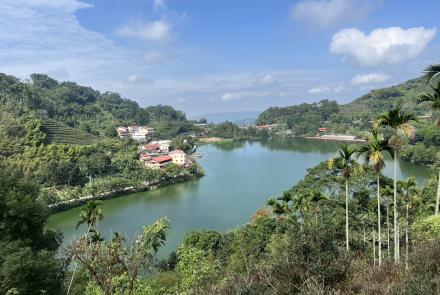
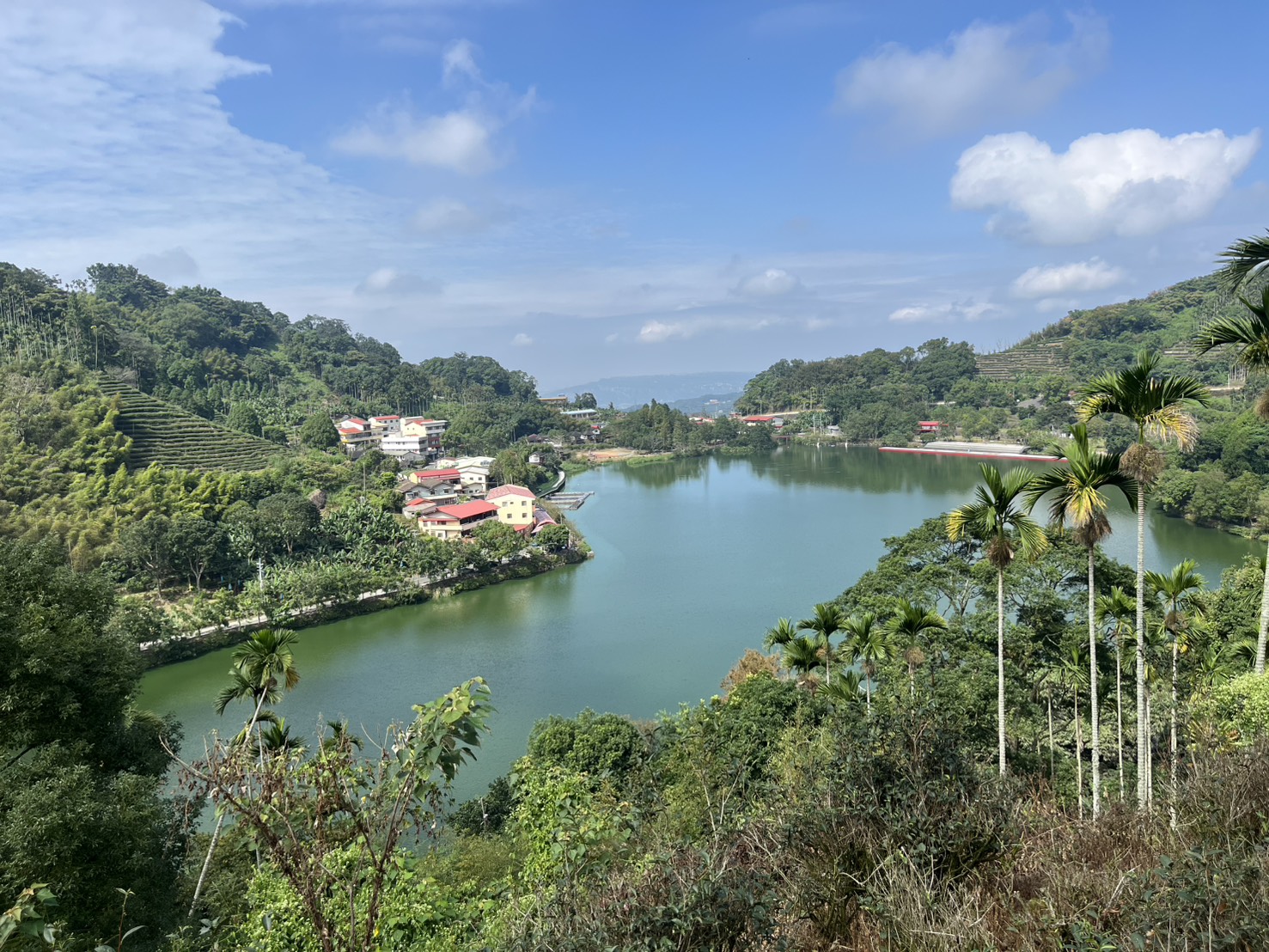
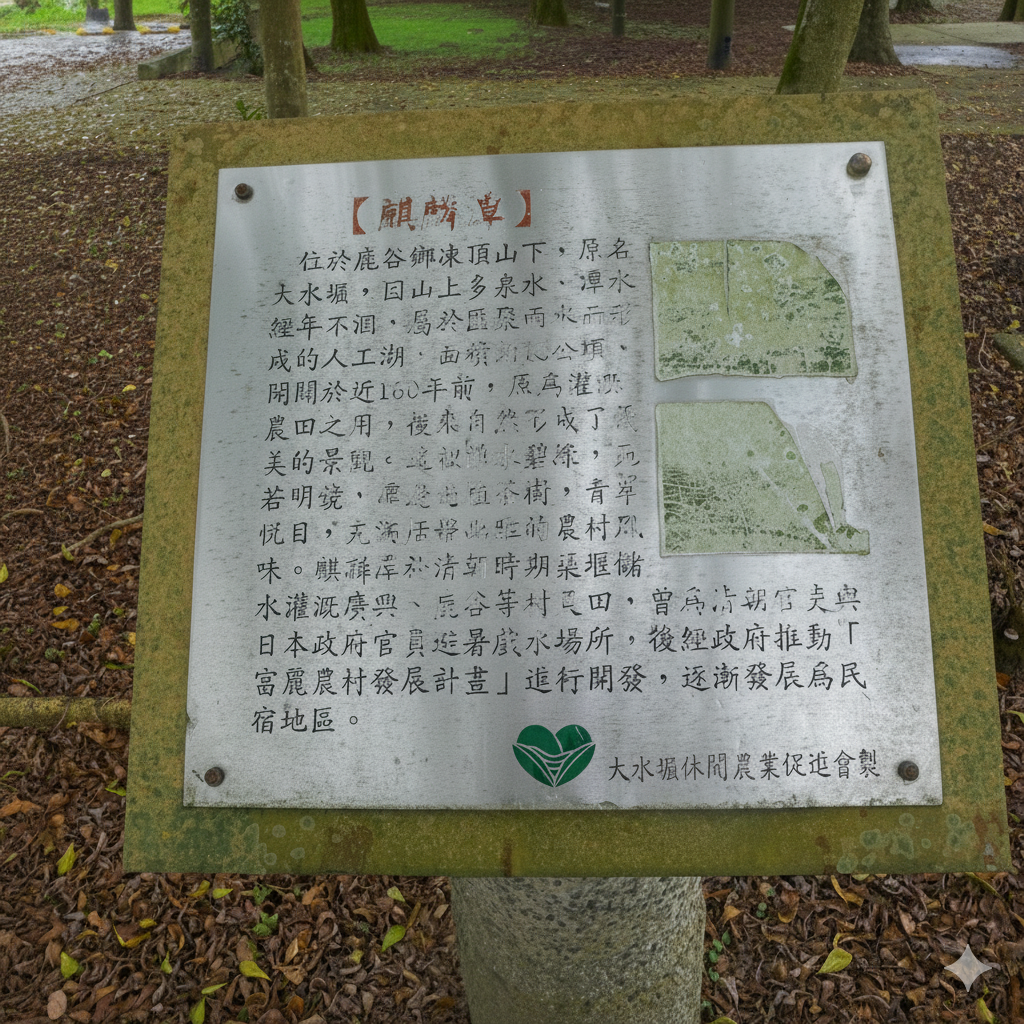
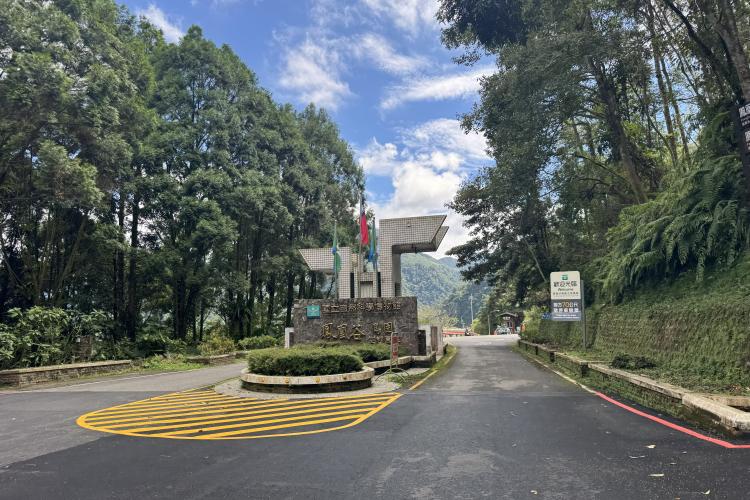
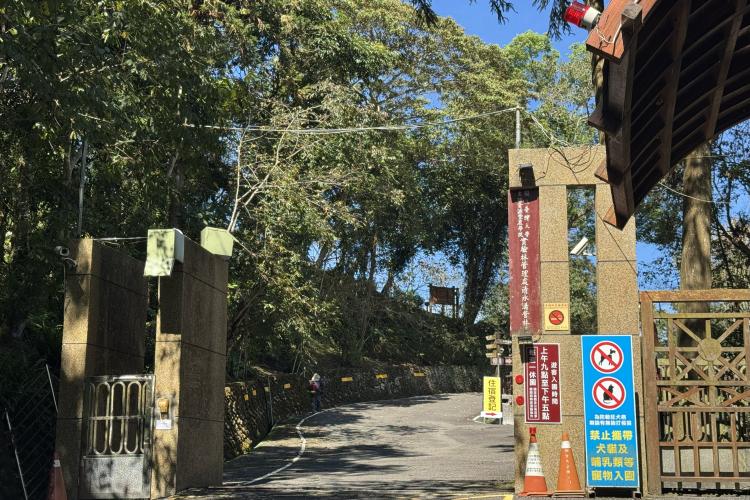
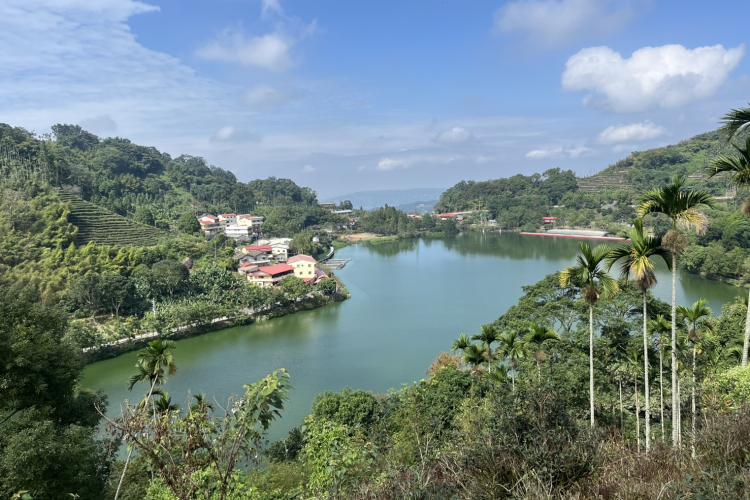
大水堀是麒麟潭的舊稱,原是鳳凰山、凍頂山和尖仔尾山三山環抱的大水池,清治時期地方居民築壩蓄水,水源供農田灌溉使用。逐漸擴大成為蓄水湖。大水堀的水源來自山上的泉水以及雨水。清治時期,《雲林縣採訪冊》曾記載:
「大水窟 亦名蓮花池;池中多產蓮花。在崠頂山之麓、鳳凰山之前,距縣四十五里。池周廣二、三里,四面屏鬟列翠,泉源甚盛;紅白蓮花浮擎水面,青筩綠蓋,布滿池中。傳聞昔時曾開金墘白蓮,鮮妍異常,香韻尤絕。池中魚族甚繁。採蓮取魚,必駕竹筏。每當春、夏良辰。崠峯倒影,輒見鴛鴦浮游巖際。風過香聞數里,為縣東名勝。」
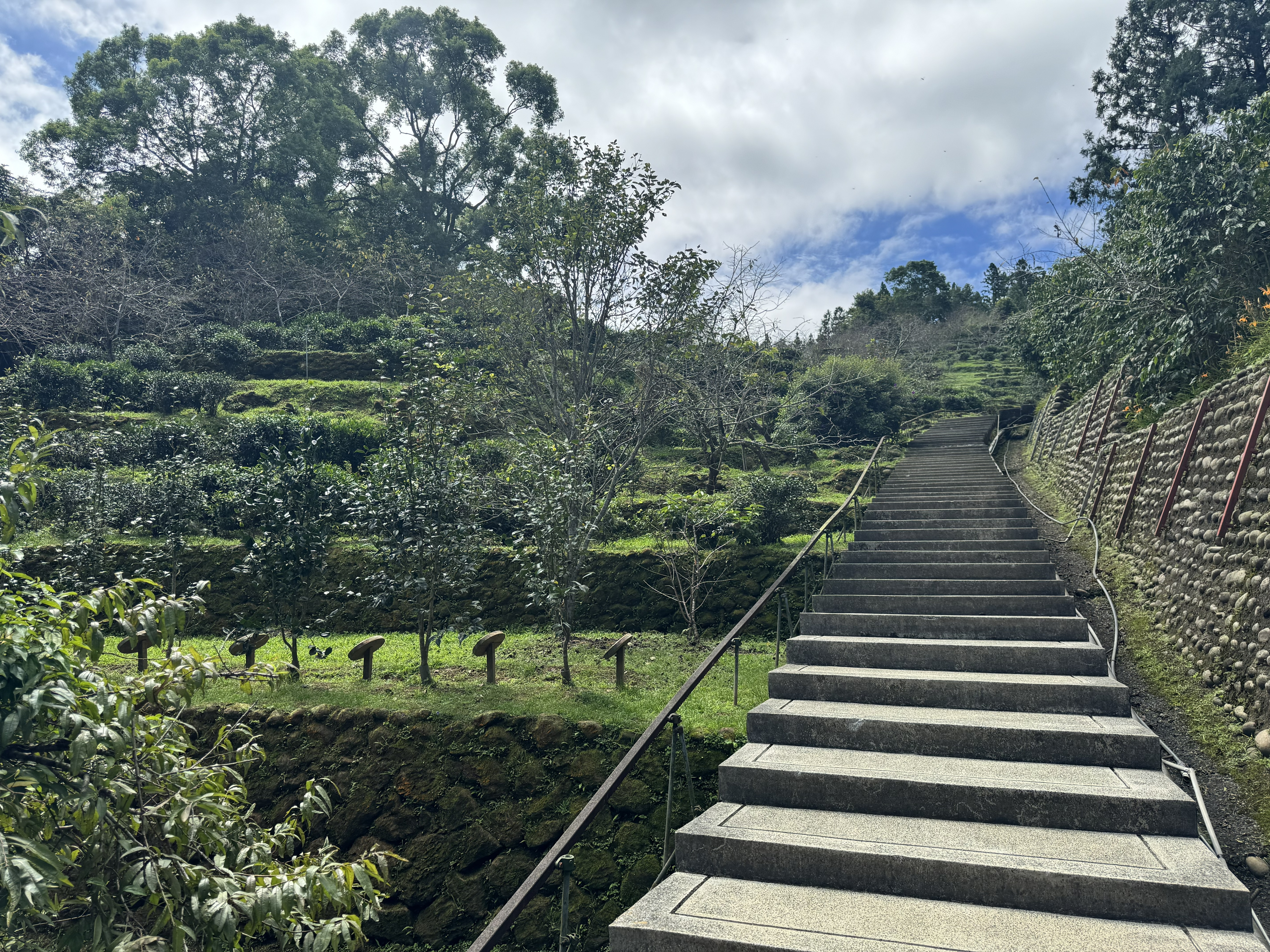
1974年,蔣經國將其命名為麒麟潭。1999年九二一大地震後,麒麟潭獲重建會規劃進行茶文化園區建設,完成環潭步道。