14 新竹車站
14 Hsinchu Station
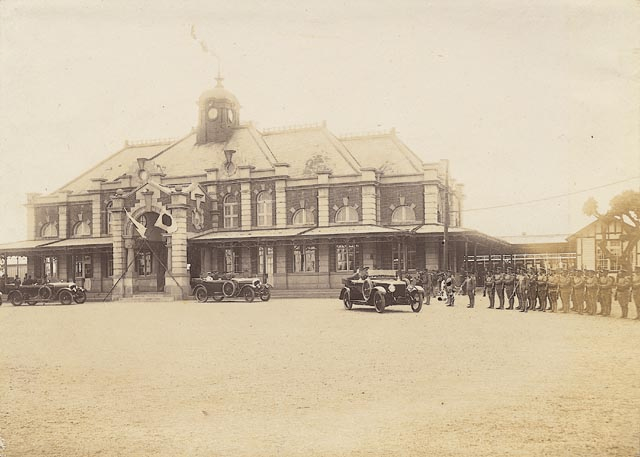
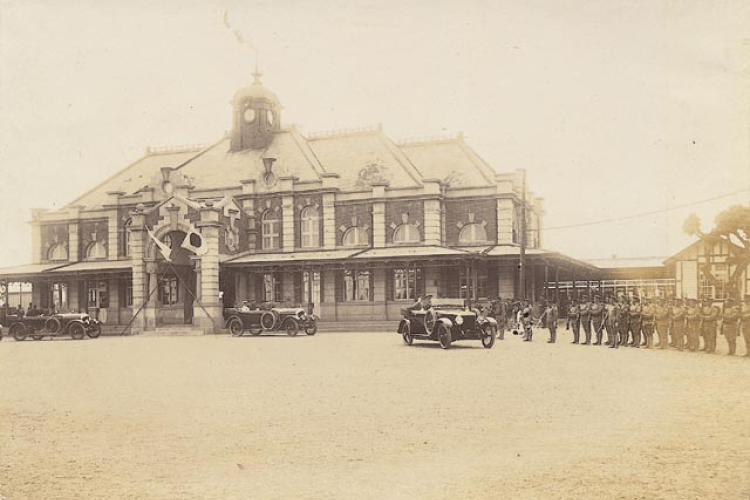
新竹車站為臺鐵縱貫線及內灣線的鐵路車站,此外內灣線及六家線以此站為折返點。新竹車站是劉銘傳鐵路的終點,日治時期時將原有路線部分改線,並計畫向南興建縱貫鐵路,同時將新竹車站改建為木造站房。現今站體於大正二年(1913年)完工,建築樣式結合了巴洛克風格與德式哥德風,具有陡斜的屋頂,為整個車站帶來優美典雅的異國情調,加上厚實的紅磚牆壁,讓設計繁複的建築更顯莊重,線條分明的設計點綴著細緻的裝飾。二戰後整修的樣子與原設計較不同。是臺灣最古老的現役站房,為國定古蹟。目前正在進行新竹大車站平台計畫的綜合規劃中。
Hsinchu Station is a railway station on the Taiwan Railways Administration's (TRA) Longitudinal Line and Neiwan Line. The Neiwan Line and Liujia Line also use this station as a turnaround point. Hsinchu Station was the terminus of the Liu Mingchuan Railway. During the Japanese occupation, part of the original route was rerouted, and a Longitudinal Railway was planned to be built southward. Hsinchu Station was rebuilt as a wooden station building. The current station was completed in 1913 (Taisho 2). Its architectural style combines Baroque and German Gothic elements, featuring steeply sloping roofs that give the station a beautiful and elegant exotic feel. The thick red brick walls further enhance the solemnity of the complex design, with clean lines adorned with delicate decorations. The post-World War II renovations resulted in a different appearance from the original design. It is Taiwan's oldest active railway station and a national historic site. Currently, comprehensive planning for the Hsinchu Grand Station platform project is underway.
13 湖口工業區13 Hsinchu Industrial Park
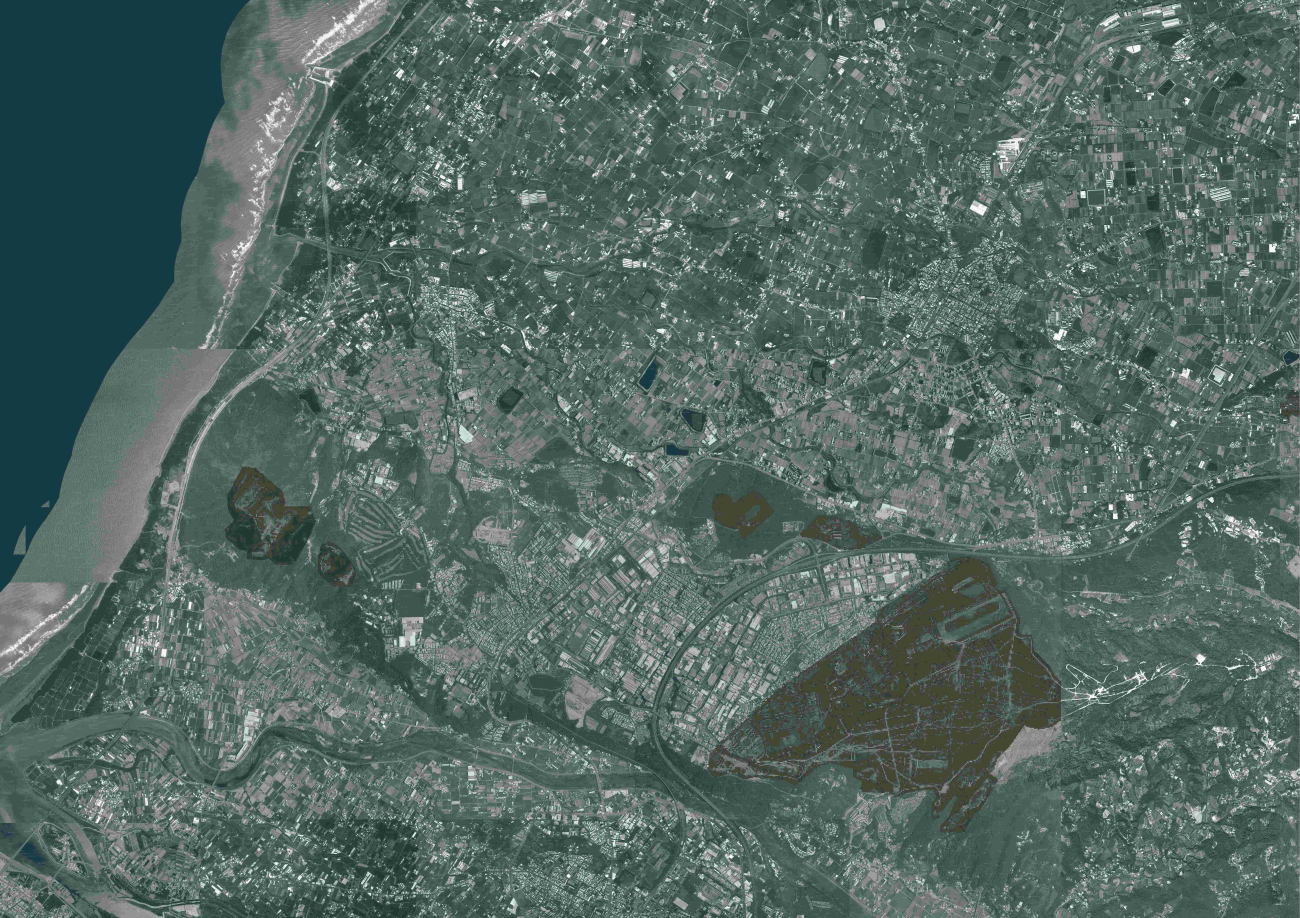
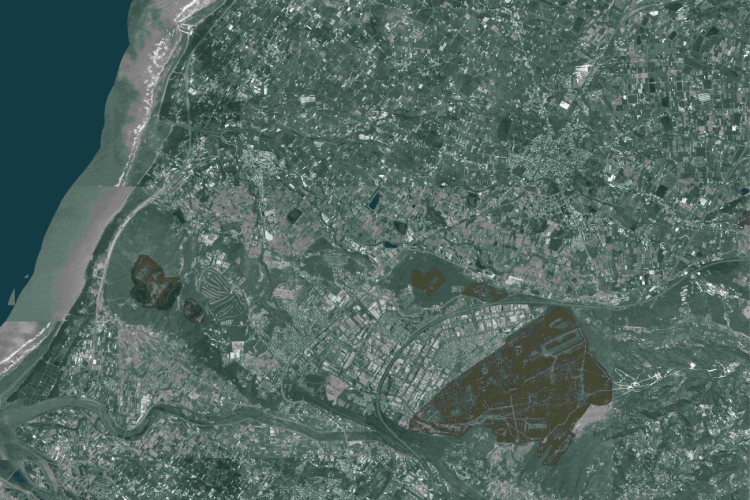
舊稱為湖口工業區,分成西區與東區,先後於1977年與1983年開發完成,是新竹地區最早的部定工業區。早期主要以食品、紡織、化工、汽車、機械等產業為主,近年隨產業結構轉型,成為半導體科技產業重要的支援基地,吸引多家知名廠商進駐,亦帶動周邊人口流動與多元社區發展。
Formerly known as Hukou Industrial Park, it is divided into West and East zones, and was developed and completed in 1977 and 1983 respectively. It is the earliest designated industrial park in the Hsinchu area. In the early days, it mainly focused on industries such as food, textiles, chemicals, automobiles, and machinery. In recent years, with the transformation of the industrial structure, it has become an important support base for the semiconductor technology industry, attracting many well-known manufacturers to settle in, and also driving the flow of people and the development of diverse communities in the surrounding area.
12 老湖口天主堂
12 Old Hukou Catholic Church
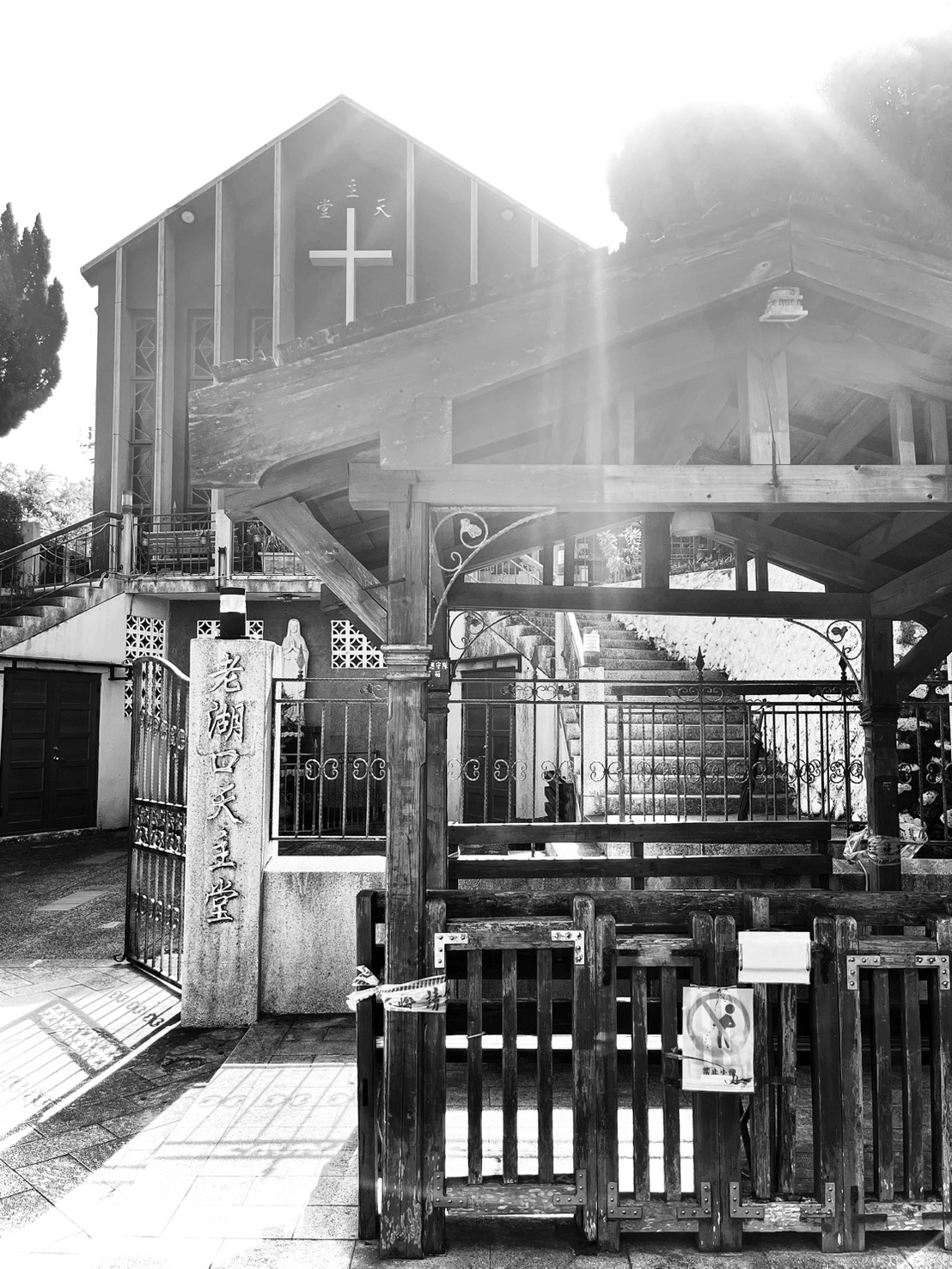
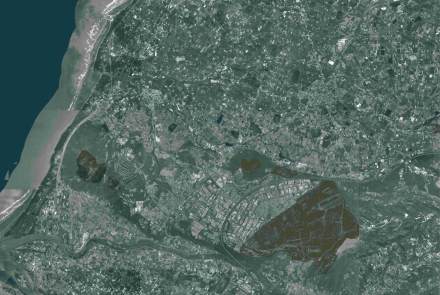
老湖口天主堂位於老街西端,原為鐵路大湖口站址。現存建築由義大利籍滿思謙神父於1959年籌建,1965年完工。1993年左右因教友人數流失而停止活動,2002年在文建會資助下修復,2006年登錄為歷史建築。近年隨湖口工業區菲律賓移工人口增加,假日常聚集於此禮拜,使教堂成為多元文化交流的空間。
The Old Hukou Catholic Church is located at the western end of the old street, originally the site of the Dahukou Railway Station. The existing building was initiated by Italian Father Man Siqian in 1959 and completed in 1965. Activities ceased around 1993 due to a decline in parishioners. It was restored in 2002 with funding from the Council for Cultural Affairs and registered as a historical building in 2006. In recent years, with the increase in Filipino migrant workers in the Hukou Industrial Zone, they frequently gather here for worship on weekends, making the church a space for multicultural exchange.
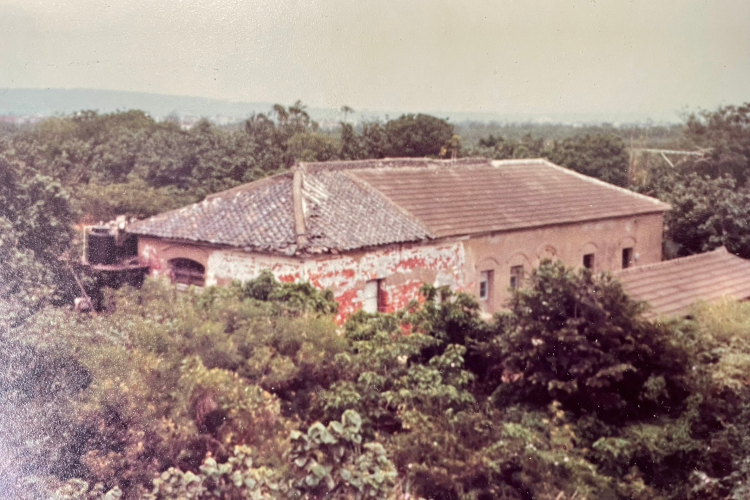
11 淡水稅關舊港出張所
11 Ancient Custom in Jiu-Gang
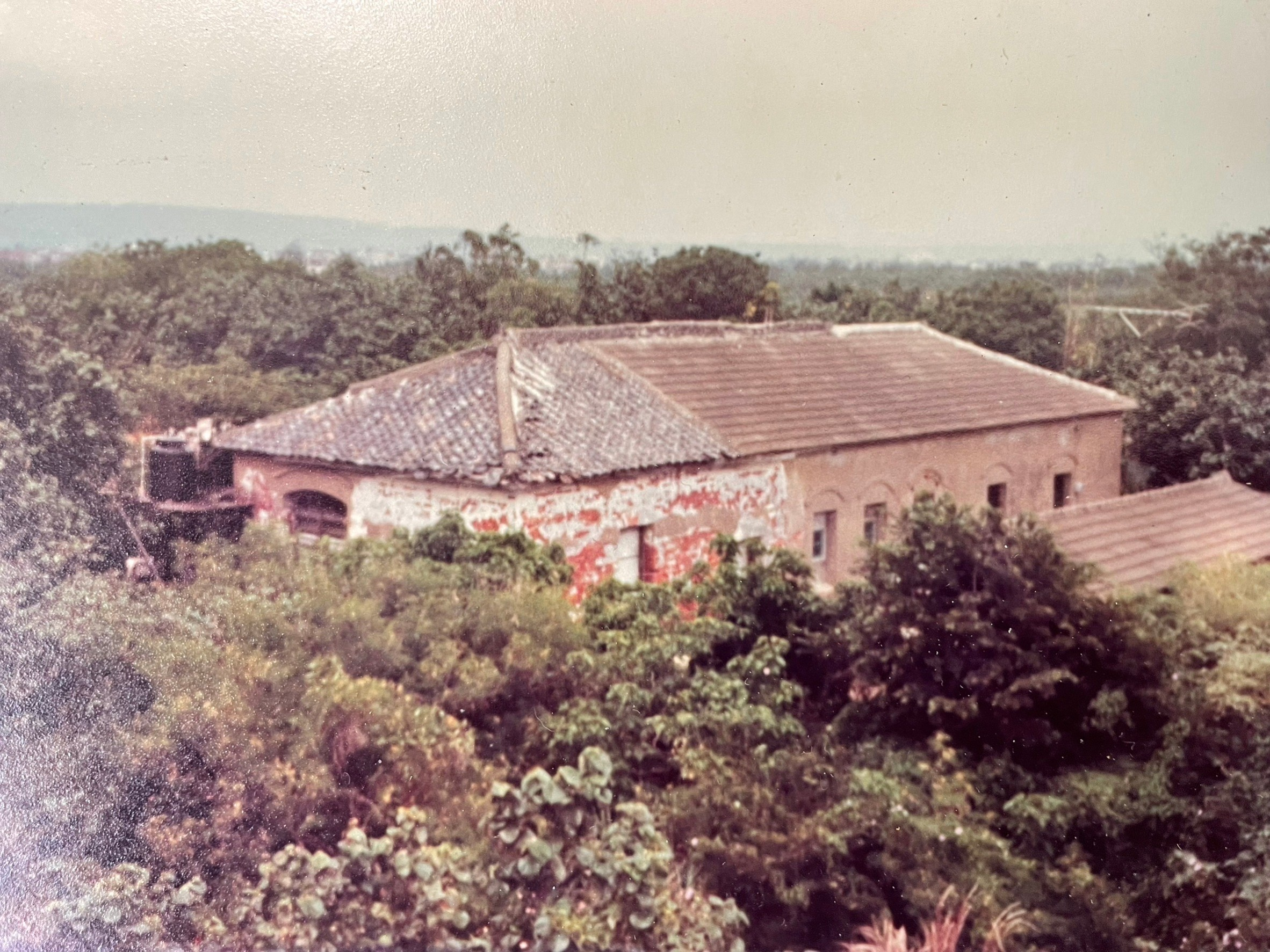
淡水稅關舊港出張所即「舊海關」,日治時期,負責管理舊港地區報關業務,後因河川淤積而廢港,目前已登錄為新竹市歷史建築。
The Danshui Customs Jiu-Gang Branch Office, also known as the "Old Customs House," was responsible for managing customs declaration business in the Jiu-Gang area during the Japanese occupation. It was later abandoned due to river siltation and is now registered as a historical building in Hsinchu City.
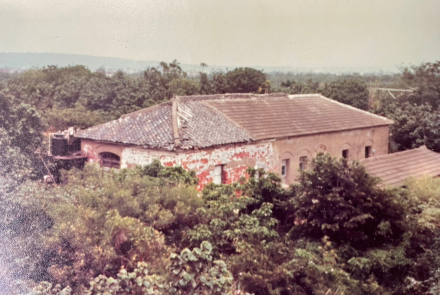
10 古輕便車道
10 Ancient handcart track
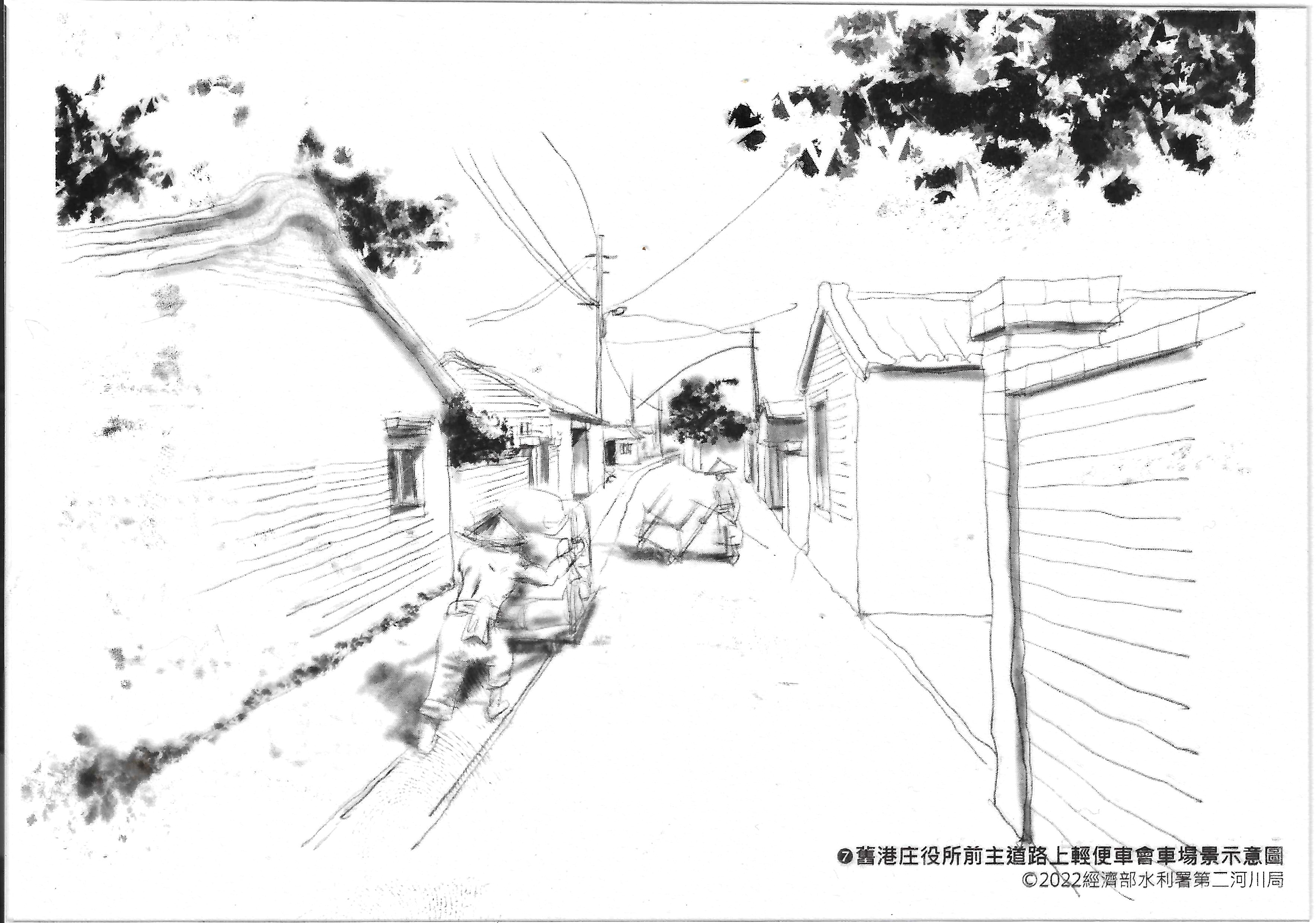
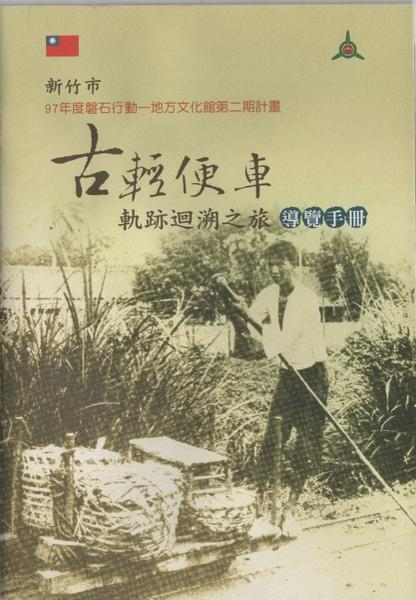
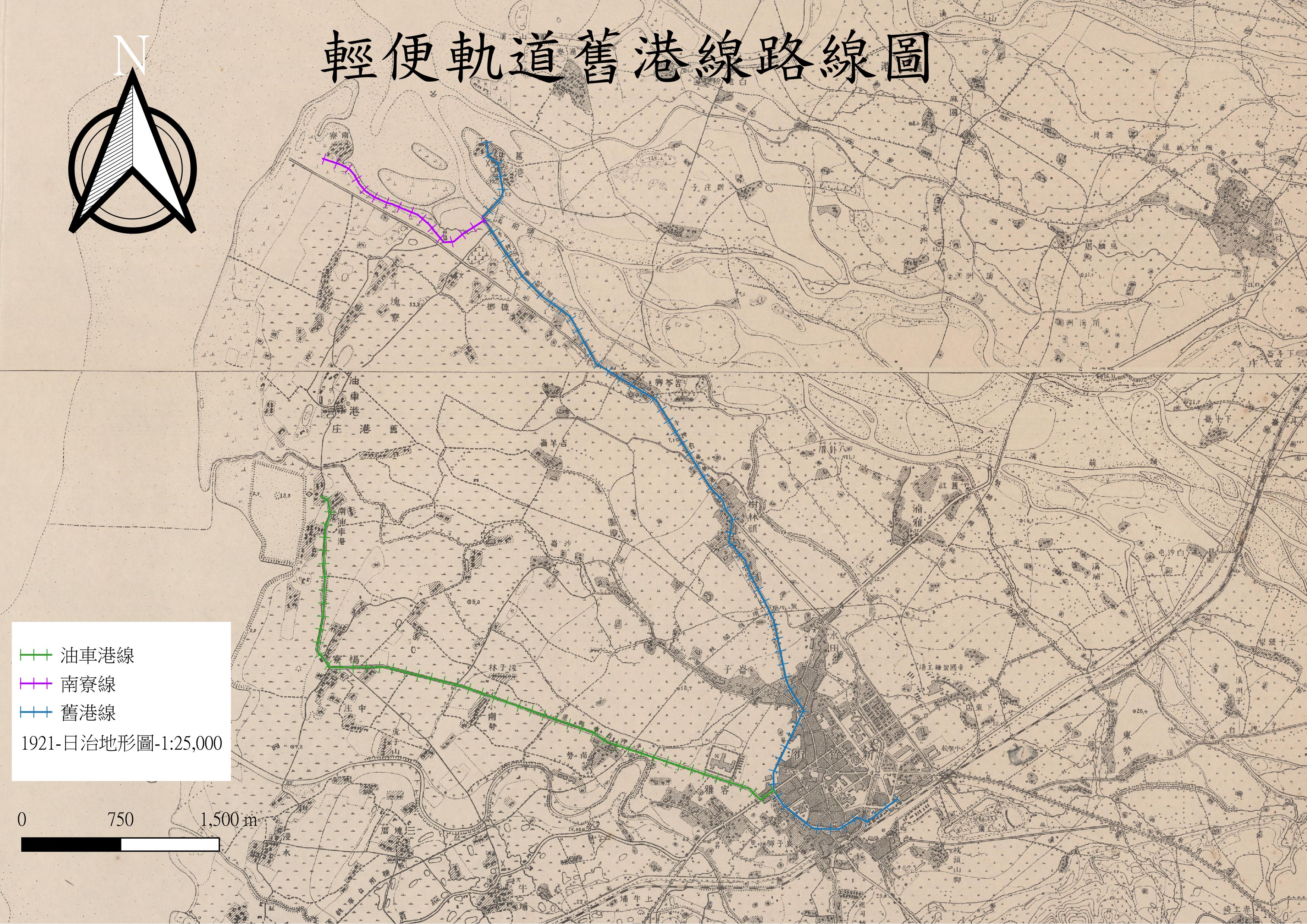
新竹古輕便車在日治時代往來竹塹舊港與市區之間運送客貨,是當時舉足輕重的經貿要道。輕便軌道是1911年舖設完成,行駛人力推移之輕便車(又稱手押車),以鱼貨與乘客為主要運送內容。
During the Japanese occupation, the Hsinchu Old Light track served as a vital trade route, transporting passengers and goods between Jiu-Gang and the Hsinchu city center. The light track was completed in 1911 and operated by manually pushed light handcart (also known as hand-push cars), primarily carrying fish and passengers.
09 舊港島食物森林
09 The Food Forest of Jiu-Gang island
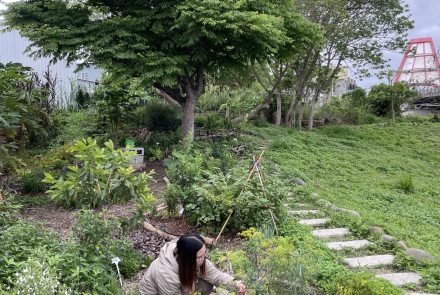
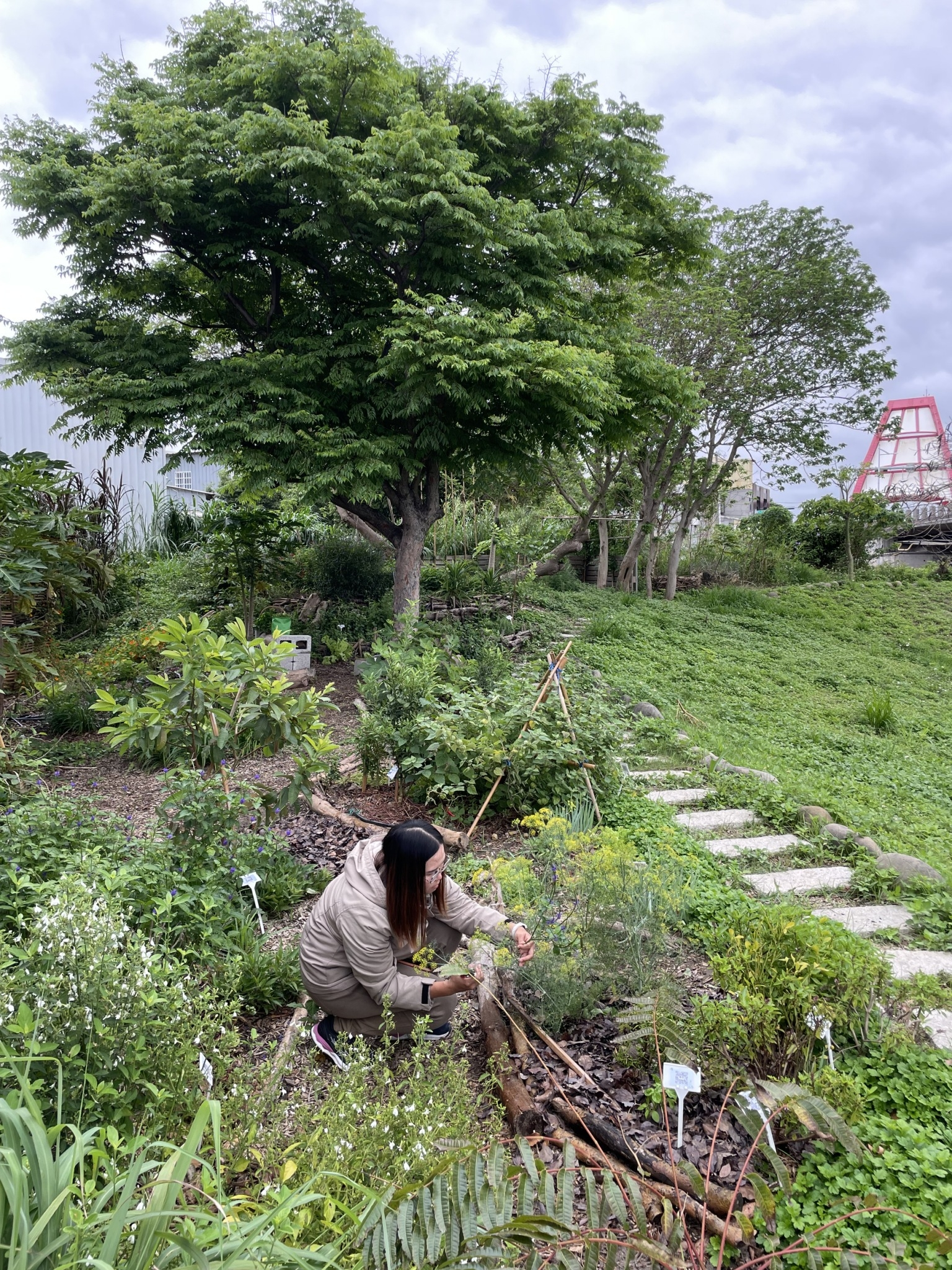
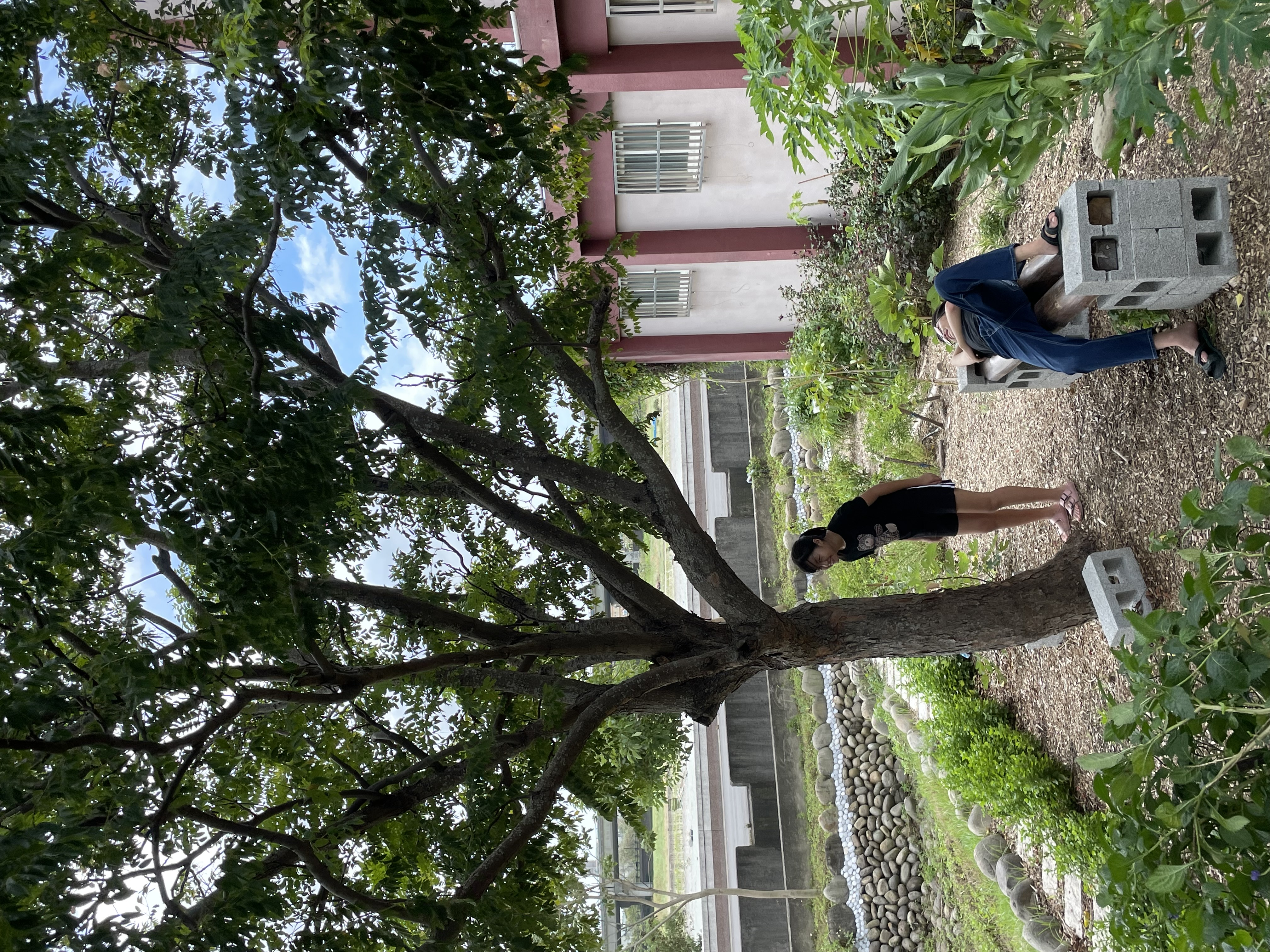
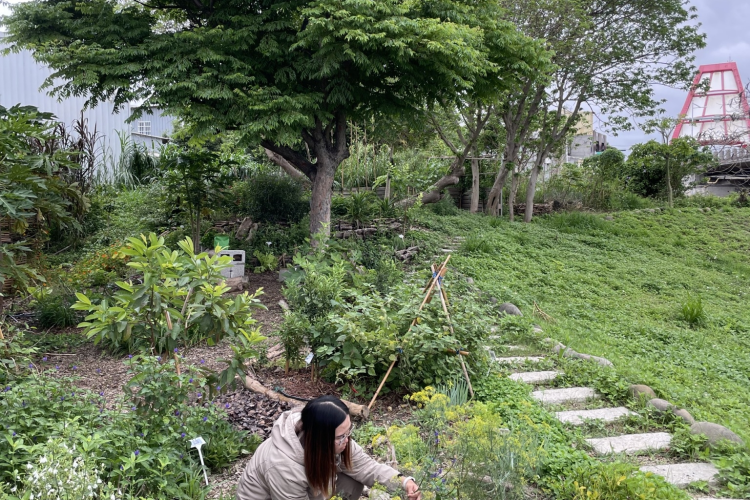
食物森林是小島居民休憩、採集食材,融入地方生活的日常風景、也是重要的環境教育場域。設計的核心概念強調生物多樣性、物質循環、生態演替。位於溪畔的食物森林,同時也是連結土地、流域環境保育的樞紐。
The food forest is a part of the island's residents' daily life—a place for relaxation, food gathering, and integration into local life—and also an important environmental education space. The core design concept emphasizes biodiversity, material cycling, and ecological succession. Located along the stream, the food forest also serves as a hub connecting land and watershed environmental conservation.